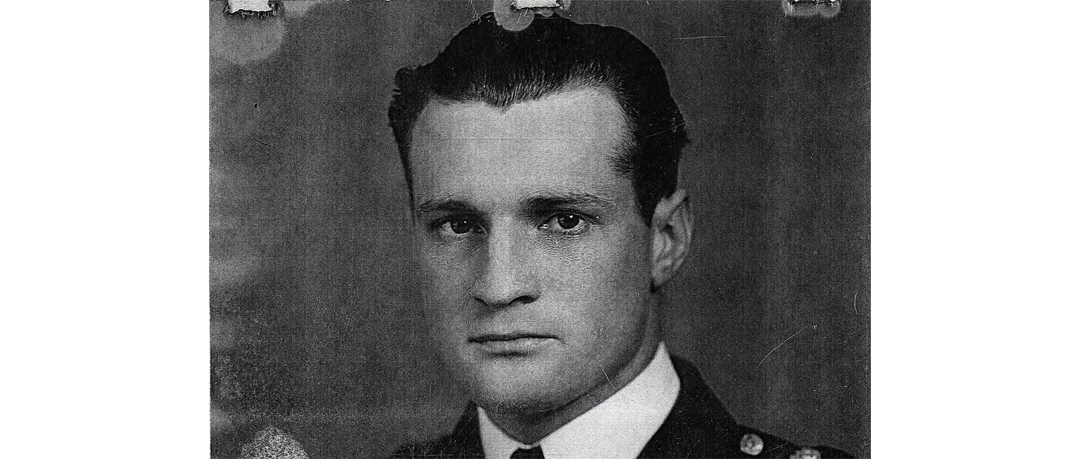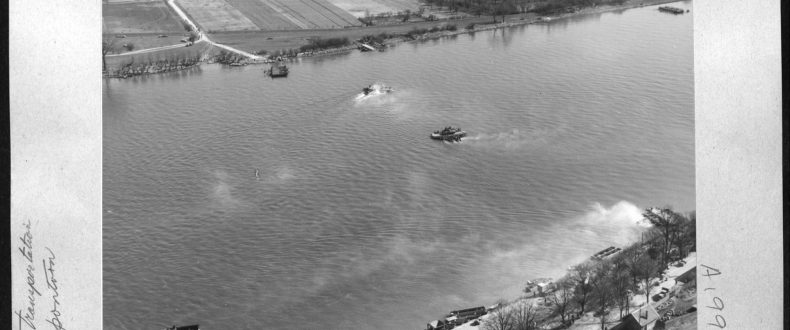
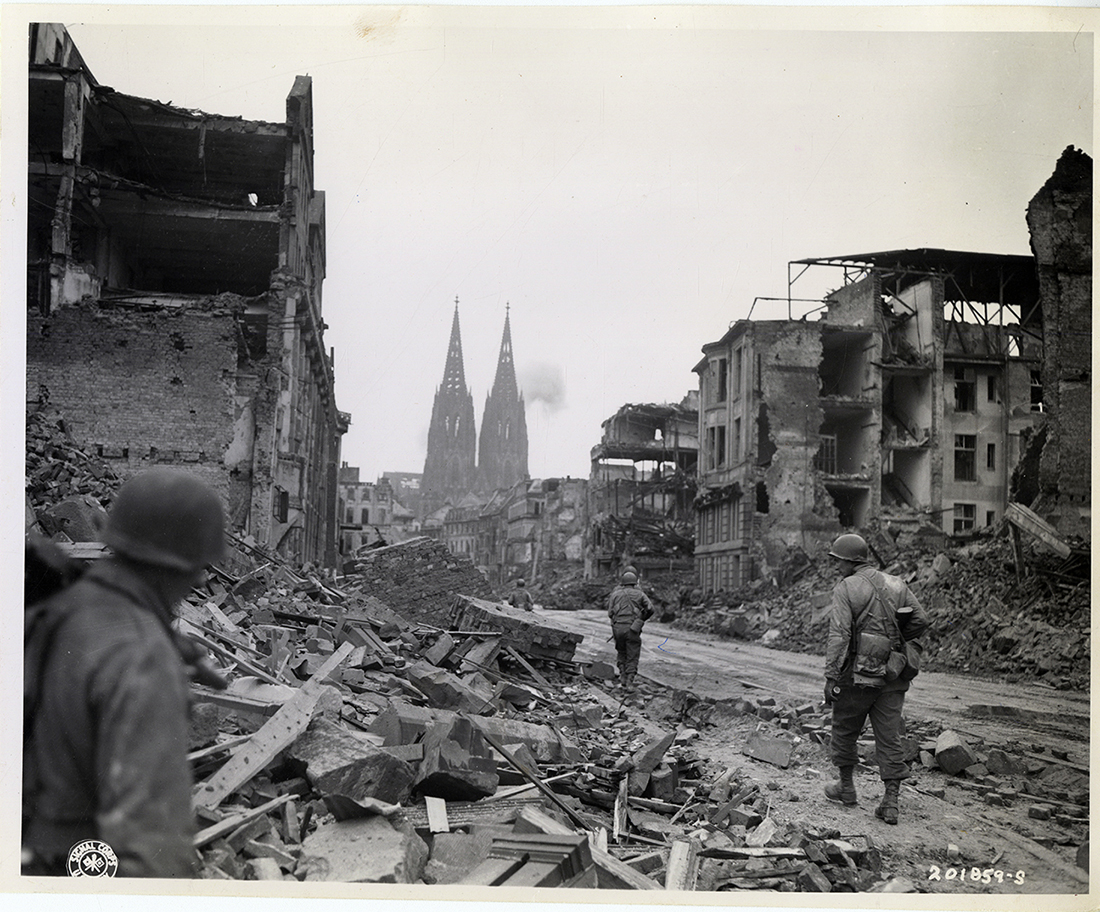
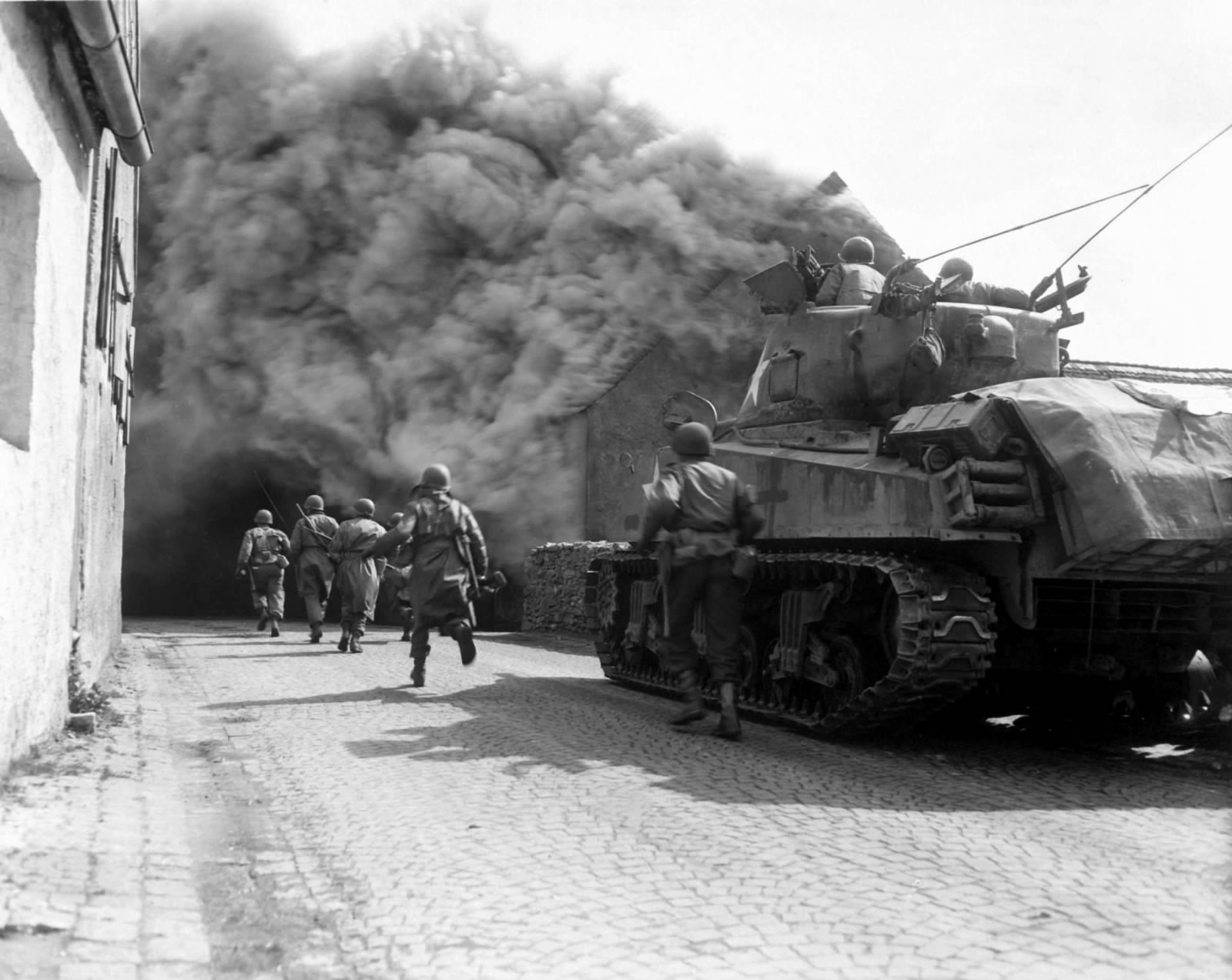
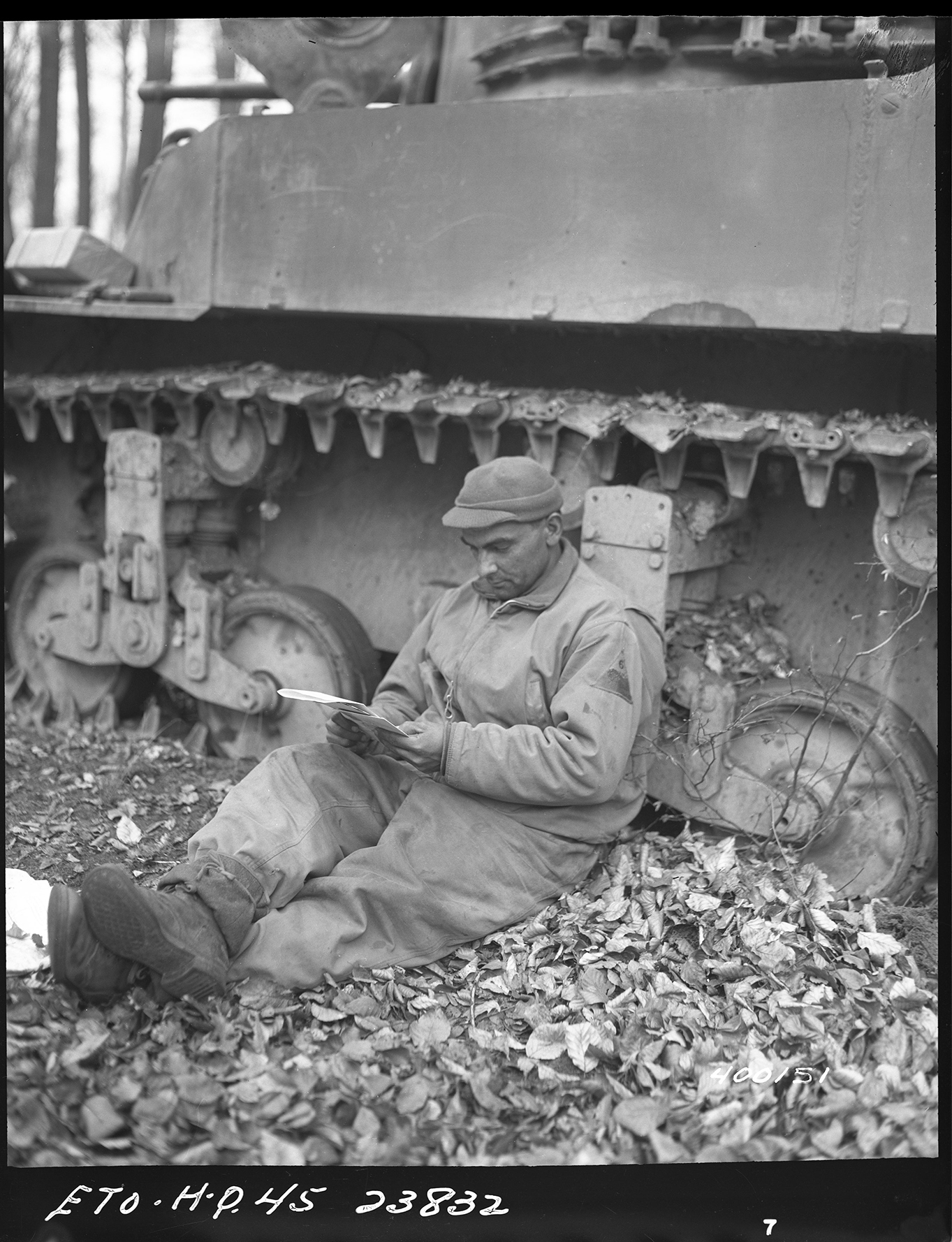
TEC5 Genaro A. Caruso — What the Records Don’t Tell Us
(Troop C, 25th Cavalry Reconnaissance Squadron, 4th Armored Division)
When the war ended in Europe, the paperwork did not stop.
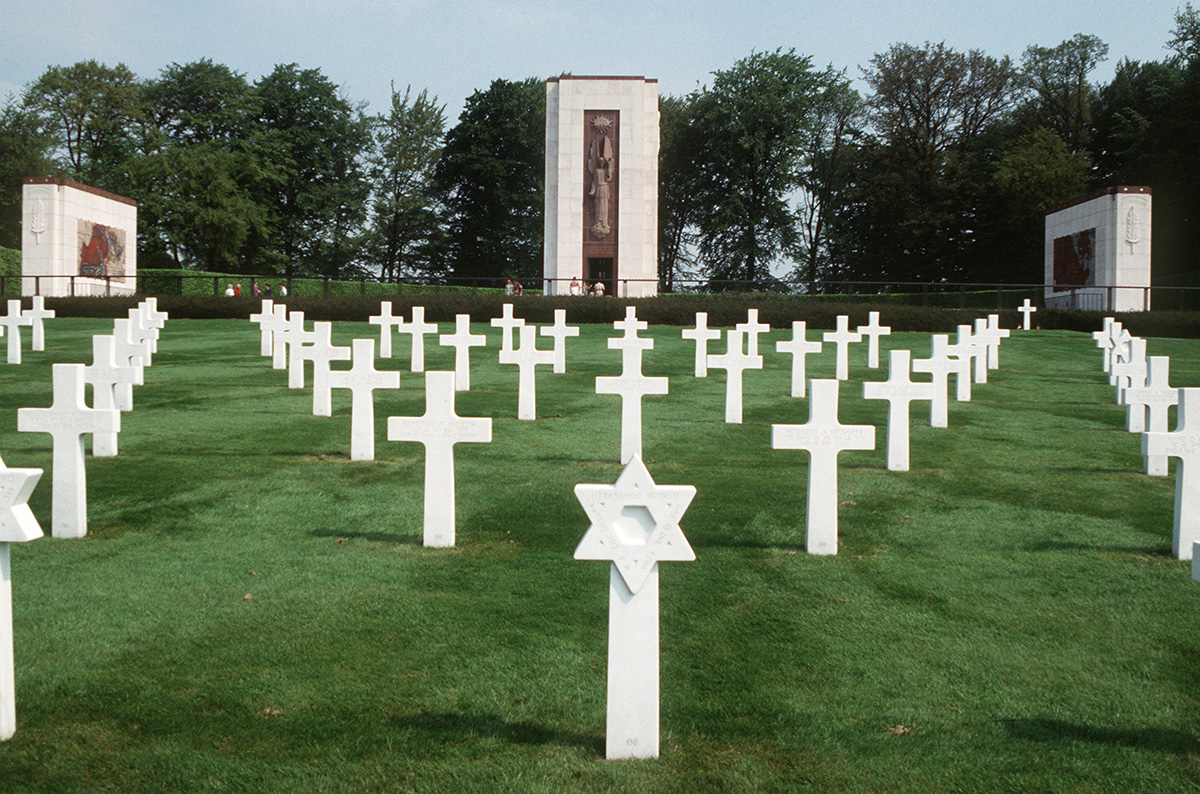
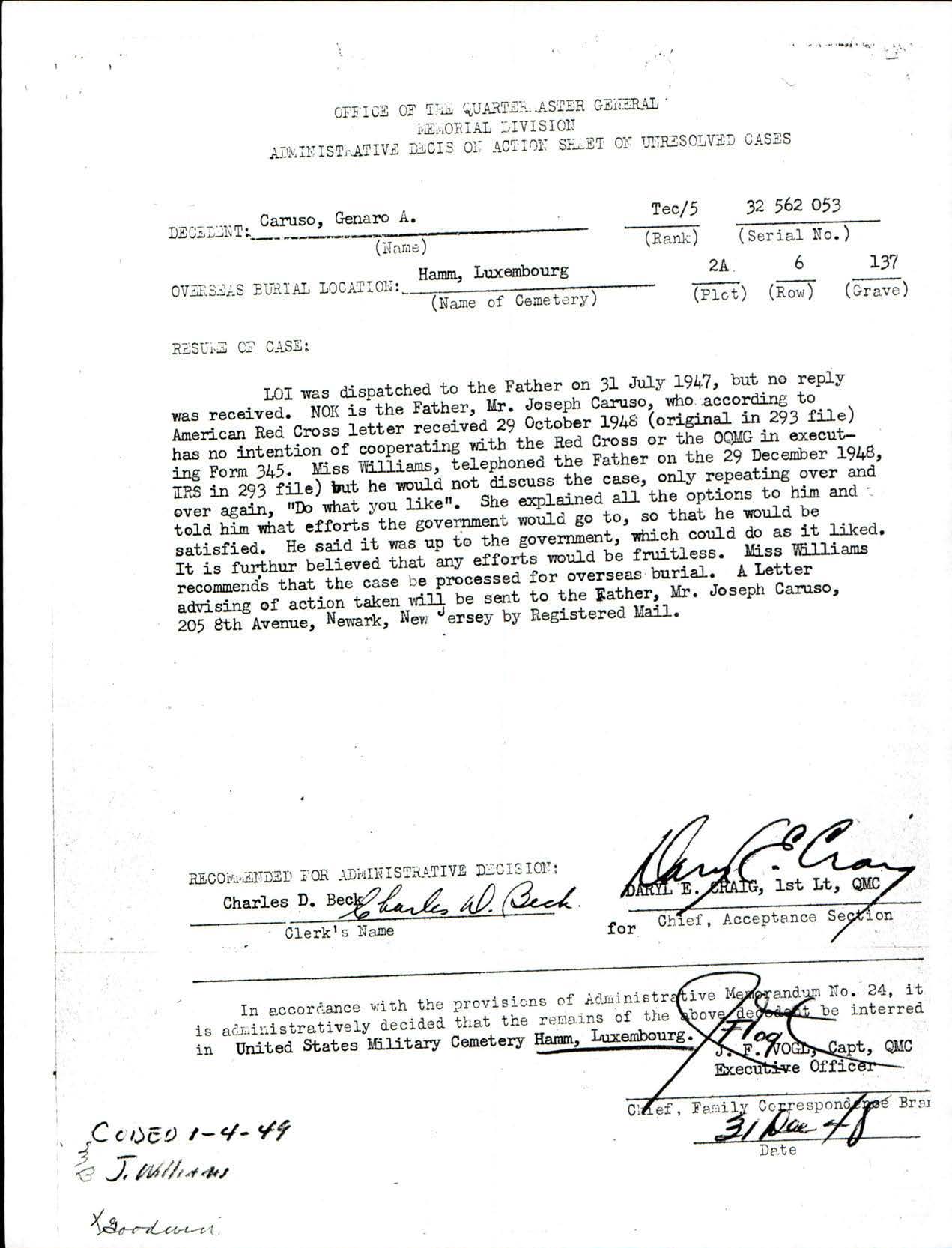
For many families, the years after 1945 brought new decisions—about graves, headstones, final resting places, and how much of the war they wished to revisit. For the Army, those same years demanded patience, persistence, and restraint as it tried to honor the wishes of families who were often still deep in grief.
The story of Technician Fifth Grade Genaro A....
Nicasio C. Sifuentes: One Week at the Front
(Company A, 10th Armored Infantry Battalion, 4th Armored Division)
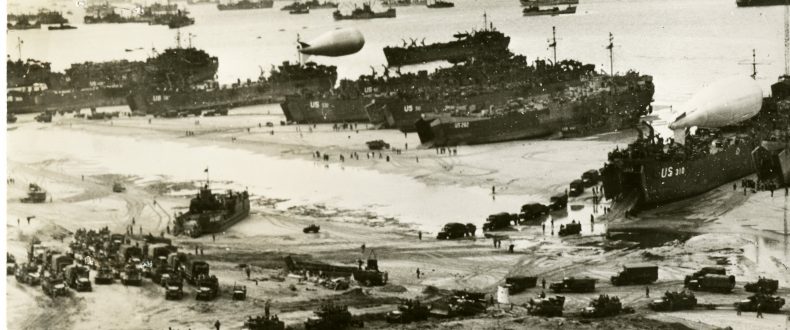
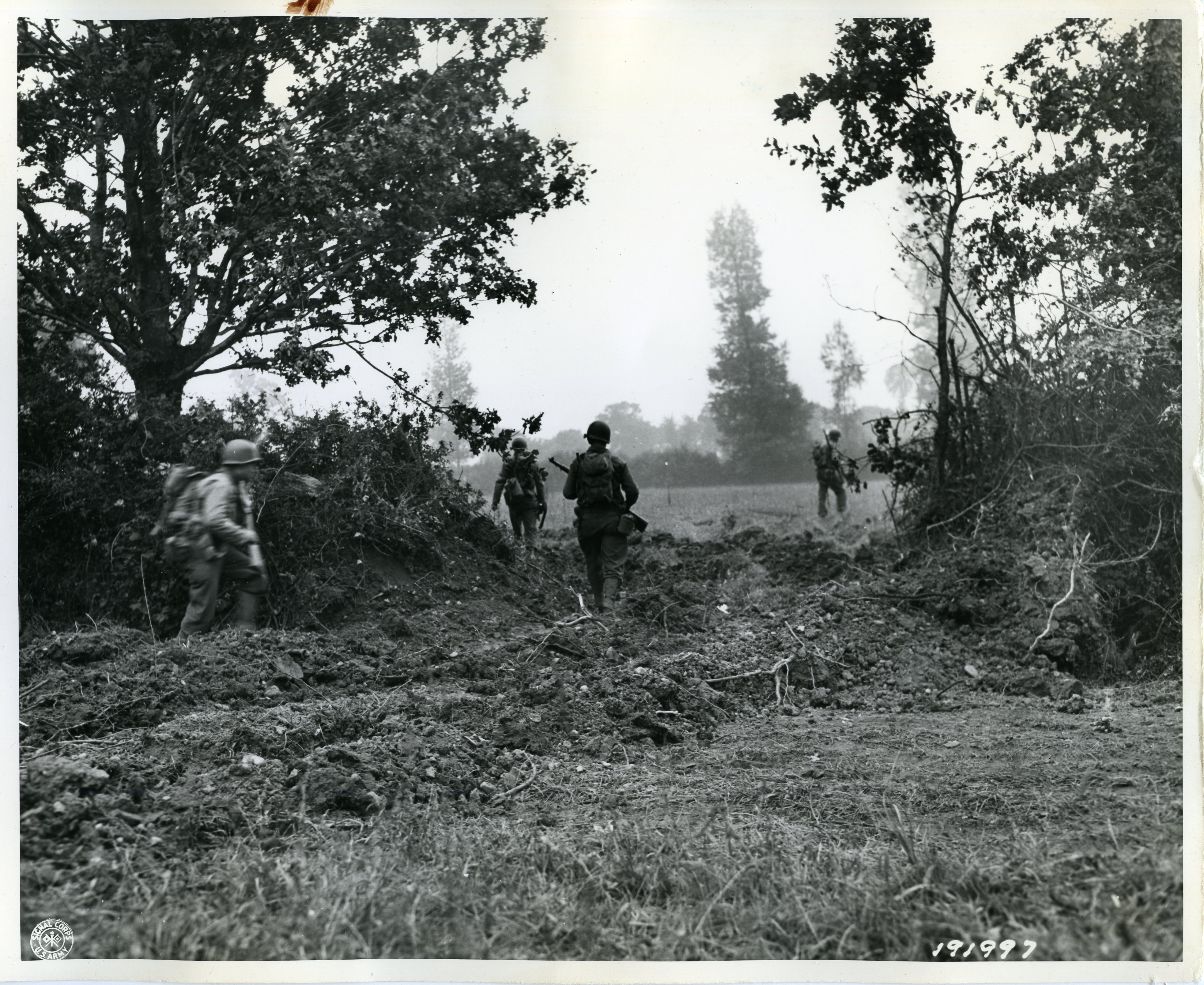
In the summer of 1944, as Allied forces fought to break free from the hedgerows of Normandy, losses mounted quietly and relentlessly. For many families back home, the war would be reduced to a single telegram, a short list of personal effects, and a grave thousands of miles away.
One of those men was Private Nicasio C. Sifuentes.
He was twenty-one years old.
From Westminster to War
Nicasio C. Sifuentes was...
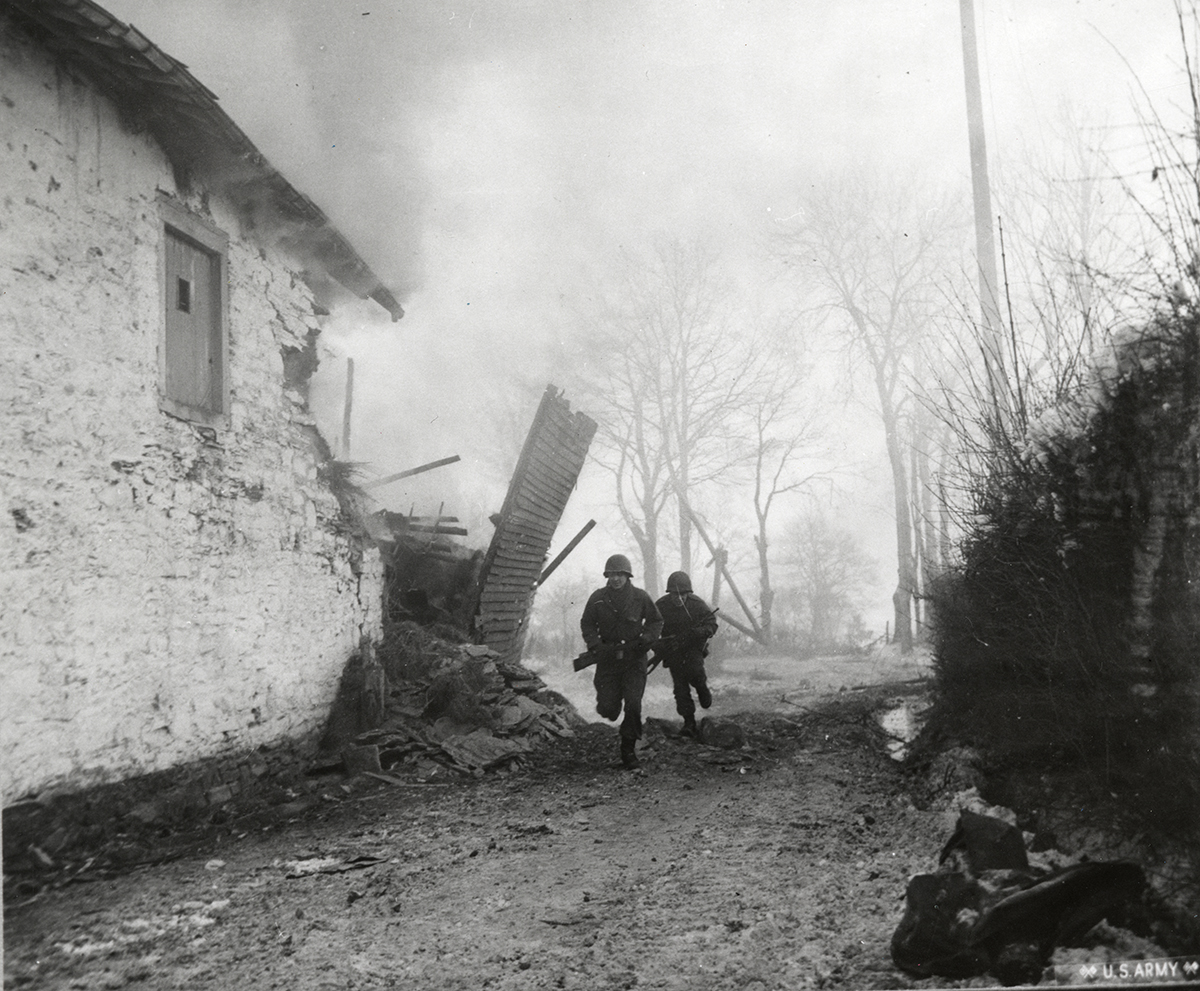
PFC Oscar B. Oakman: The Last Man to Die in the 94th Armored Field Artillery Battalion
(PFC Oscar B. Oakman, 4th Armored Division, U.S. Third Army)
A famous photograph in the May 14, 1945, issue of Life magazine shows a soldier killed in Leipzig, described as “the last man to die in the war in Europe.”
But there never seems to be a last man to die in a war.
There is always one more.
Oscar B. Oakman was from Amaranth, Pennsylvania, near the Maryland border. Drafted at age 29, the self-employed farmer would have been one of the older men in his unit — the “older...
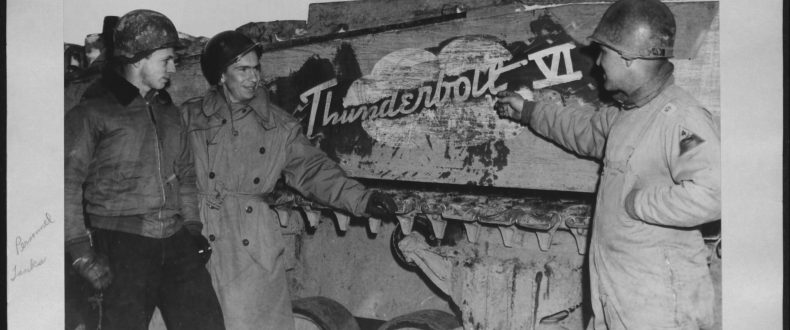
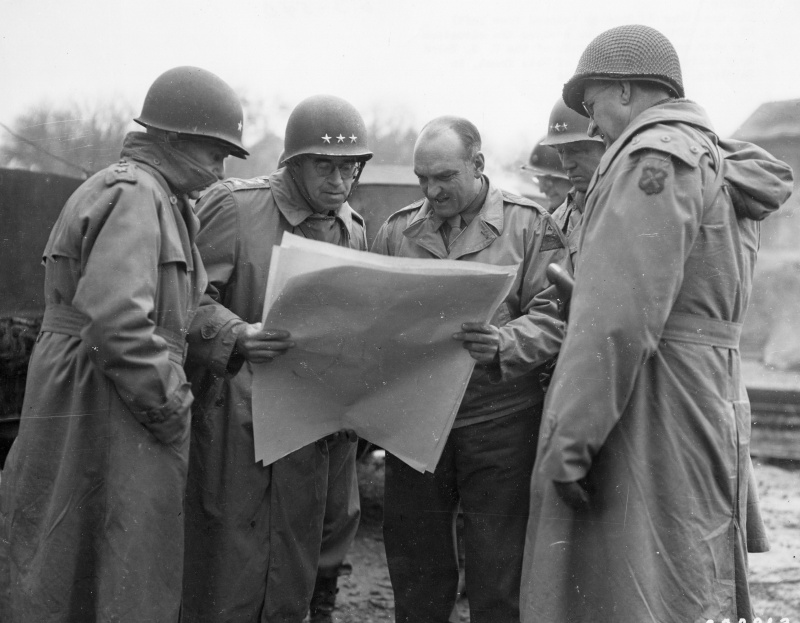
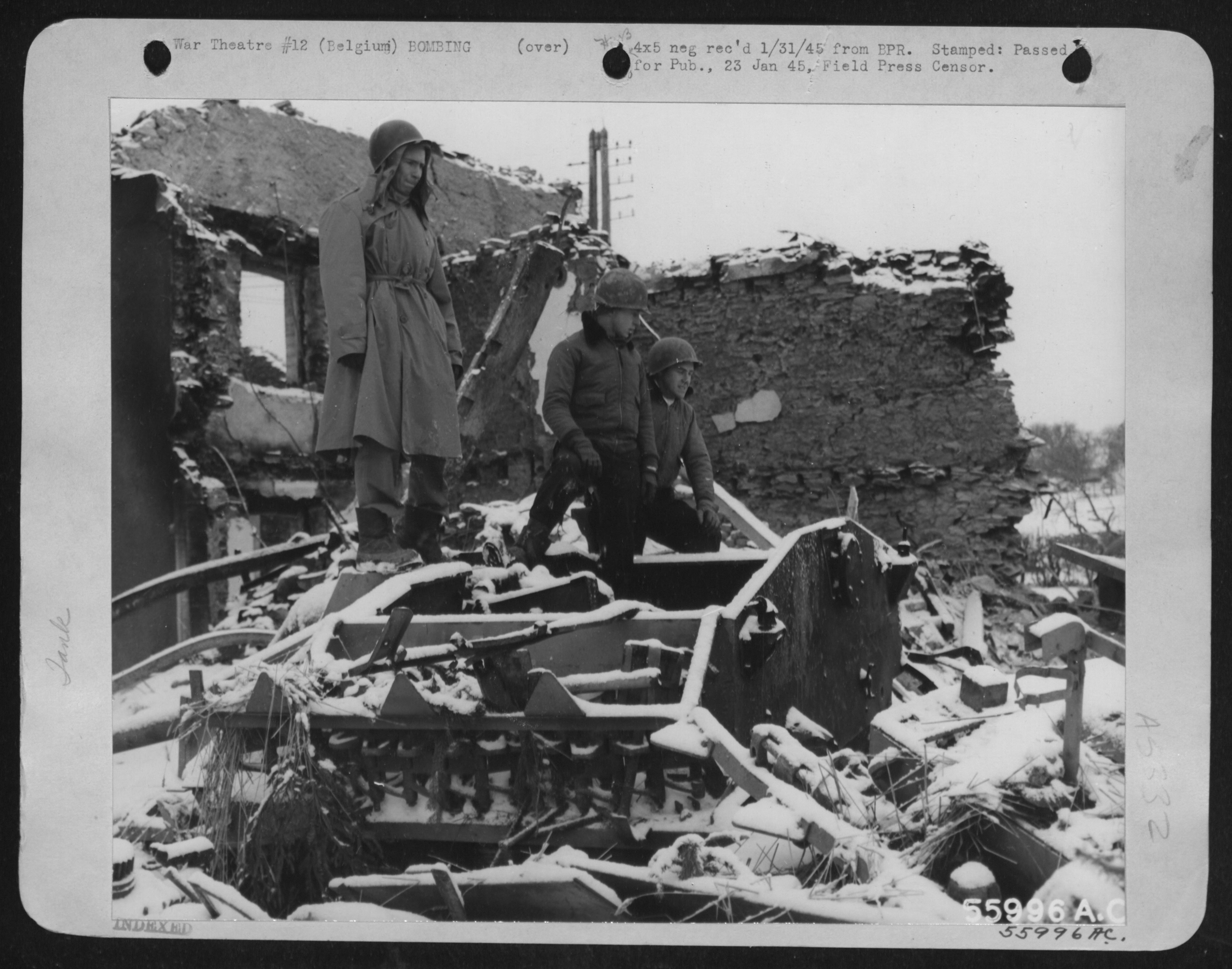
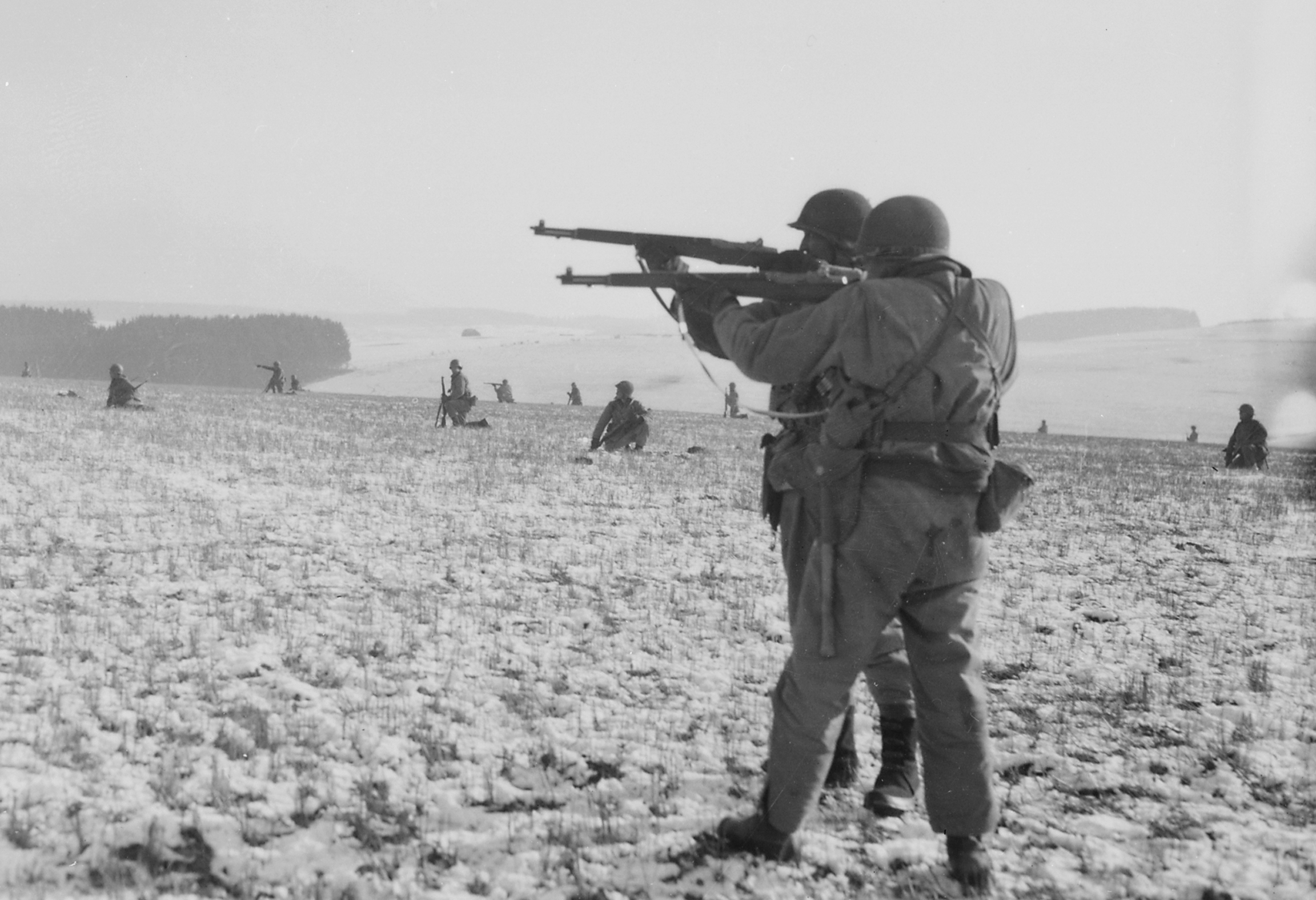
The 4th Armored Division: The Spearhead of Patton’s Third Army
Activated in April 1941 at Pine Camp, New York, the 4th Armored Division began with only a handful of soldiers and grew quickly as America prepared for war. After completing large-scale maneuvers in Tennessee and advanced desert training in California, the division sailed for England in early 1944 as part of General George S. Patton’s new Third Army.
The 4th would soon become one of Patton’s most celebrated units—fast, aggressive, decisive, and repeatedly placed at the tip of Third...
Five From the 464th Bomb Group
The 15th Army Air Force, based in...Wee Willie and the photo that started it all
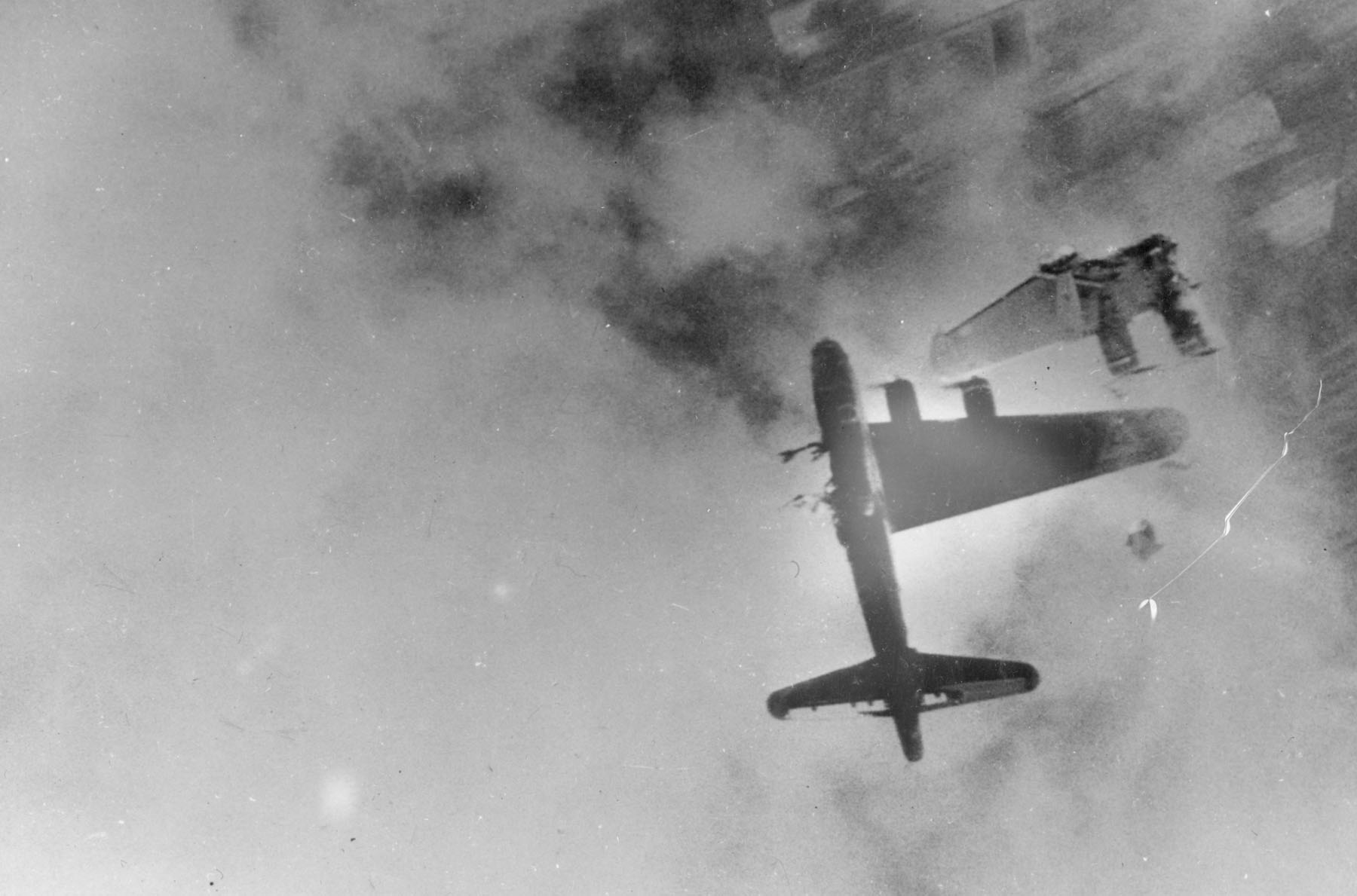
Above is B-17 “Wee Willie”...From Panatella to Ploesti
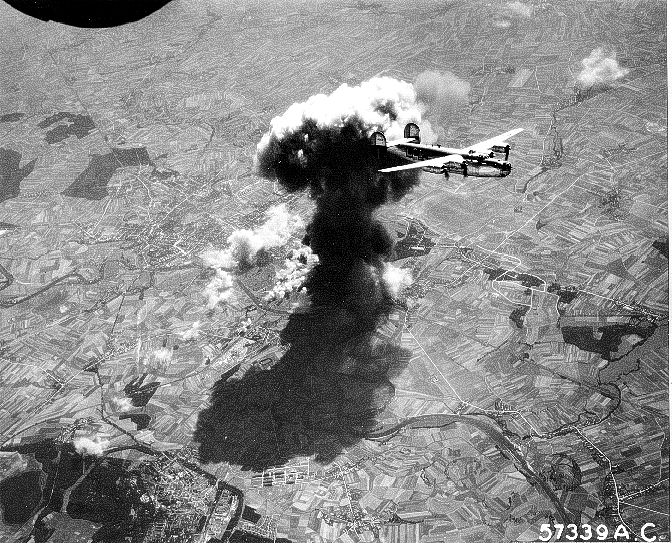
The 15th Army Air Force, based in...Debut for Debach
It was the very first combat mission...Six B-24s From Baker Box Downed
The men – the boys, really...The World War II Dead of University of California at Los Angeles (UCLA)
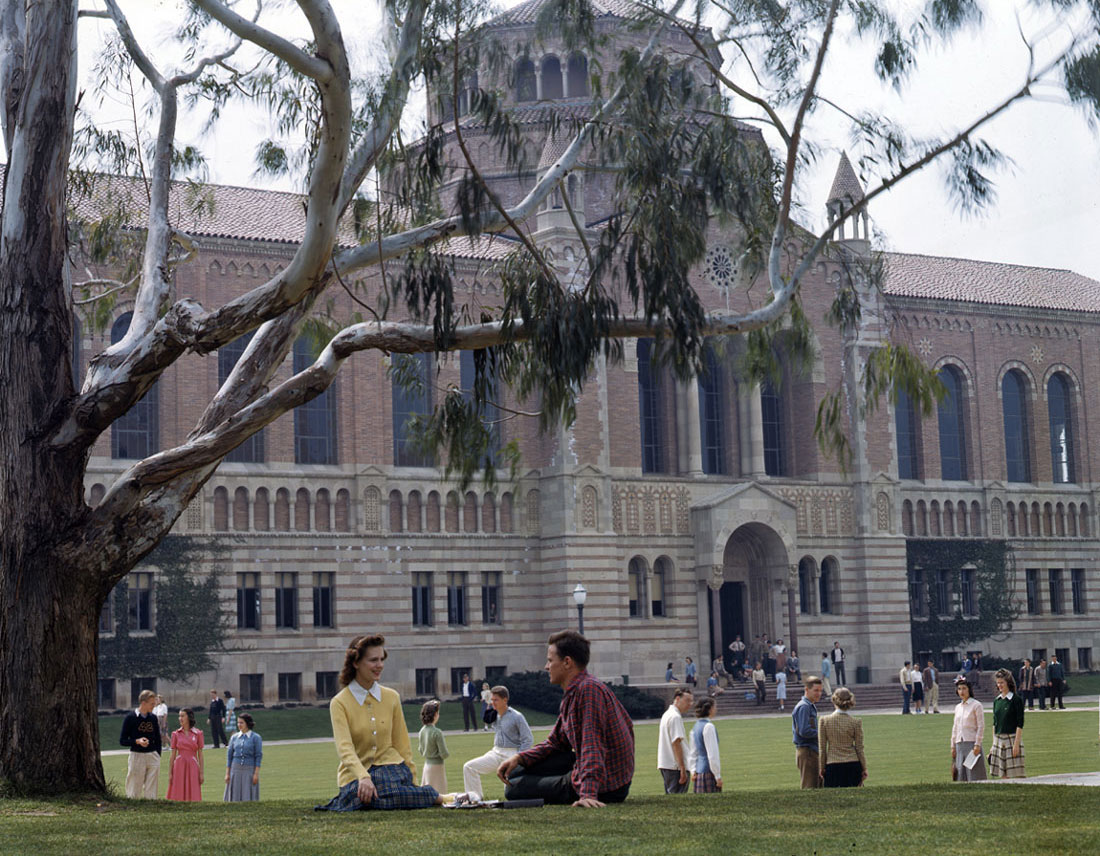
More than 260 UCLA students, faculty ...


TEC5 Genaro A. Caruso — What the Records Don’t Tell Us
(Troop C, 25th Cavalry Reconnaissance...Nicasio C. Sifuentes: One Week at the Front
(Company A, 10th Armored Infantry...PFC Oscar B. Oakman: The Last Man to Die in the 94th Armored Field Artillery Battalion
(PFC Oscar B. Oakman, 4th Armored...The 4th Armored Division: The Spearhead of Patton’s Third Army
Activated in April 1941 at Pine Camp,...Talk Radio One’s Steven Spierer Interviews WW2 Researcher Bill Beigel
Steven Spierer Talk Radio One Interview...Captain Norman L. Aigner: An Ordinary Guy
If you’ve been reading my blog with...


Captain Norman L. Aigner: An Ordinary Guy
Thank you for your comment! Please tell us a little more about your inquiry at this link https://www.ww2research.com/contact/ and we'll be in touch. Best - Bill BeigelFrom Panatella to Ploesti
Great blog. My late father was a bombardier based out of Panatella. His plane was Jackpine Joe. Worked Ploesti and Germany. See Jackpinejoe.comWee Willie and the photo that started it all
My father was Paul D Jessop, he spoke of your Grandfather a lot. My father passed away in 2011 .Captain Norman L. Aigner: An Ordinary Guy
I'm trying to find out about a veteran who was with the 3rd Infantry under Patton. The only info I have is a basic training image has the unit flag: RTC 207C Infantry Name: James Anderson Foster Jr from NCThe World War II Dead of University of California at Los Angeles (UCLA)
Hi Bill, Thanks for putting this together. My grand uncle, 2nd Lt. Robert L. Woolfolk attended UCLA and I believe he graduated in 1936. He was on the waterpolo team. He was a bombardier in the 571st Bomb Squadron, 390th Bomb Group and his aircraft "Decatur Deb" was shot down on May 28, 1944. He and six others perished while three were able bail out and became POWs. This is written up the in the book "Bloody Skies: U.S. Eighth Air Force Battle Damage in World War II." There is a B-17G tail gunner's compartment on display at the 390th Bomb Group Memorial Museum, which is dedicated to this crew. Regards, Nick VeronicoBill’s WW2 Almanac for January 21: Featuring Col. Randy’s Flying Circus
Hi! Randall Col Randy is actually my great grandfather and I was wandering if you ever new him? I am curious to know more about him.
Bill’s WWII Almanac