
TEC5 Genaro A. Caruso — What the Records Don’t Tell Us
(Troop C, 25th Cavalry Reconnaissance Squadron, 4th Armored Division)
When the war ended in Europe, the paperwork did not stop.
For many families, the years after 1945 brought new decisions—about graves, headstones, final resting places, and how much of the war they wished to revisit. For the Army, those same years demanded patience, persistence, and restraint as it tried to honor the wishes of families who were often still deep in grief.
The story of Technician Fifth Grade Genaro A. Caruso belongs to that quieter chapter of the war’s aftermath.
His service record is brief, factual, and complete. His Individual Deceased Personnel File (IDPF) is far more revealing—not because it answers every question, but because it shows what happens when the record reaches its limits.
Newark, 1942
Genaro Caruso was from Newark, New Jersey. When he was drafted in October 1942, he was working for his father, Joseph. Like millions of other young men, he entered the Army at a moment when the outcome of the war was still uncertain and the scale of what lay ahead was impossible to grasp.
By the summer of 1944, Caruso had crossed the Atlantic with the 4th Armored Division, landing on Utah Beach in Normandy. The division would soon earn its reputation as one of General George S. Patton’s fastest and most aggressive formations, repeatedly placed at the tip of the U.S. Third Army’s advance.
Caruso was assigned to Troop C, 25th Cavalry Reconnaissance Squadron—a unit whose job was to move ahead of the main force, locate enemy positions, maintain contact, and keep the division informed as it pushed forward.
The Work of a Reconnaissance Radio Operator
Caruso’s Military Occupational Specialty was MOS 776: operator of low-speed radios in tanks and other armored vehicles.
It was an unglamorous but essential role. Reconnaissance units depended on radio operators to maintain constant communication while moving quickly through contested terrain. Radios connected forward patrols to artillery, headquarters, and supporting units. When radios failed, units became isolated.
For men like Caruso, the war was lived inside armored vehicles, under constant threat from artillery, mines, and ambush—often far ahead of safer rear areas.
Arracourt, September 1944
In late September 1944, the 4th Armored Division was heavily engaged in the fighting around Arracourt, France—one of the most significant armored battles fought by U.S. forces in Europe.
On September 29, Caruso was wounded in action approximately one and a half miles east of Arracourt. His injuries were serious enough to be recorded but did not require evacuation or hospitalization. He returned to duty with his unit.
For many soldiers, surviving a wound carried a quiet hope that the worst might be behind them. In reality, the war was only entering its most demanding phase.
Into Germany
Through the winter of 1944–45, the 4th Armored fought across France, through the Ardennes, and into Germany. By March 1945, German resistance was collapsing unevenly—some units surrendering en masse, others continuing to fight fiercely in isolated pockets.
On March 18, 1945, near Furfeld, Germany, Technician Fifth Grade Genaro A. Caruso was killed in action by penetrating wounds to the neck. He was identified by his dog tags and buried three days later in the U.S. Military Cemetery at Hamm, Luxembourg.
He was twenty-two years old.
After the War: When the Record Continues
For the Army, Genaro Caruso’s death did not end with burial.
In July 1947—more than two years after the war—a letter was sent to his father, Joseph Caruso. Like all next of kin, he was asked to choose whether his son’s remains should remain overseas or be returned to the United States at government expense.
No reply came.
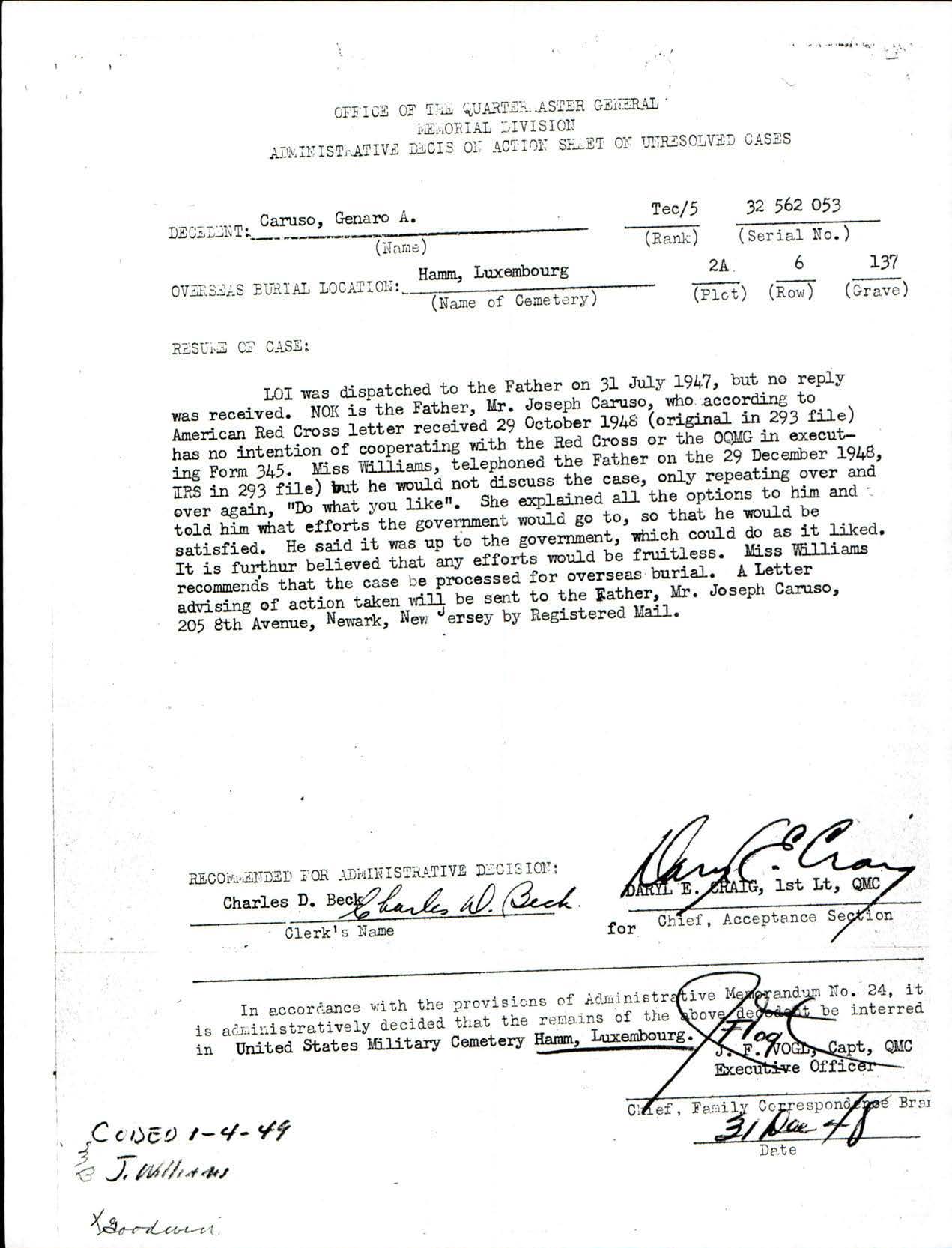
When months passed without a response, the Army followed established procedure and asked the American Red Cross to assist. In December 1948, a Red Cross representative reached Joseph Caruso by telephone. Her report was recorded carefully and without commentary:
“He would not discuss the matter, only repeating over and over again ‘Do what you like.’
He said it was up to the government which could do as it liked…
It is believed that further efforts to obtain instructions from the father will be fruitless.”
These words have survived because the Army preserved them—not as judgment, but as documentation.
Reading Silence in the Historical Record
The records do not tell us why Joseph Caruso responded as he did.
They do not tell us what the loss of his son had already taken from him, or what it cost to be asked—years later—to make decisions about remains that had never come home. They do not tell us whether grief, anger, exhaustion, or principle shaped his refusal to engage.
What the record does show is restraint.
The Army did not rush to a decision. It wrote letters. It waited. It involved the Red Cross. It made phone calls. Only when every avenue had been exhausted did it proceed with what was termed an “administrative decision.”
This process—often unseen and little remembered—was part of the broader Return of the Dead program, an effort that I believe (and describe in my book, Buried on the Battlefield—Not My Boy ) is one of the most ethically serious undertakings of the U.S. government after the war: an attempt to balance family wishes, logistical realities, and the obligation to treat every fallen serviceman with dignity.
In cases like Caruso’s, there were no good answers—only careful ones.
A Permanent Resting Place
In January 1949, Genaro A. Caruso was permanently interred at the U.S. Military Cemetery at Hamm, Luxembourg.
His grave was marked. His location recorded. His file closed.
The Army had done what it could, and no more.
What This Story Leaves Us With
Genaro Caruso’s life is known to us through service records, casualty reports, and administrative correspondence. His death is recorded precisely. His father’s response is preserved verbatim. What lies between those facts remains unknowable.
That uncertainty is not a flaw in the story—it is its meaning.
This is what history sometimes gives us: not resolution, but responsibility. Responsibility to read carefully. Responsibility to avoid judgment where the record is silent. Responsibility to recognize that grief does not always speak in ways that files can capture.
Genaro Caruso was one soldier among many in the 4th Armored Division. His service helped carry the war into its final months. His aftermath reminds us that the war did not end cleanly for those left behind.
That, too, is part of what it means to remember him.
Photo Gallery
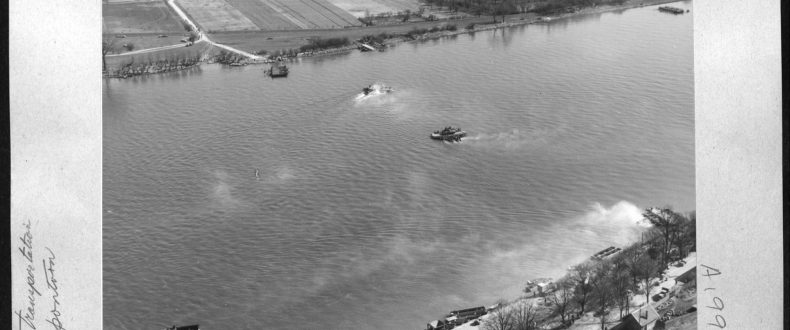
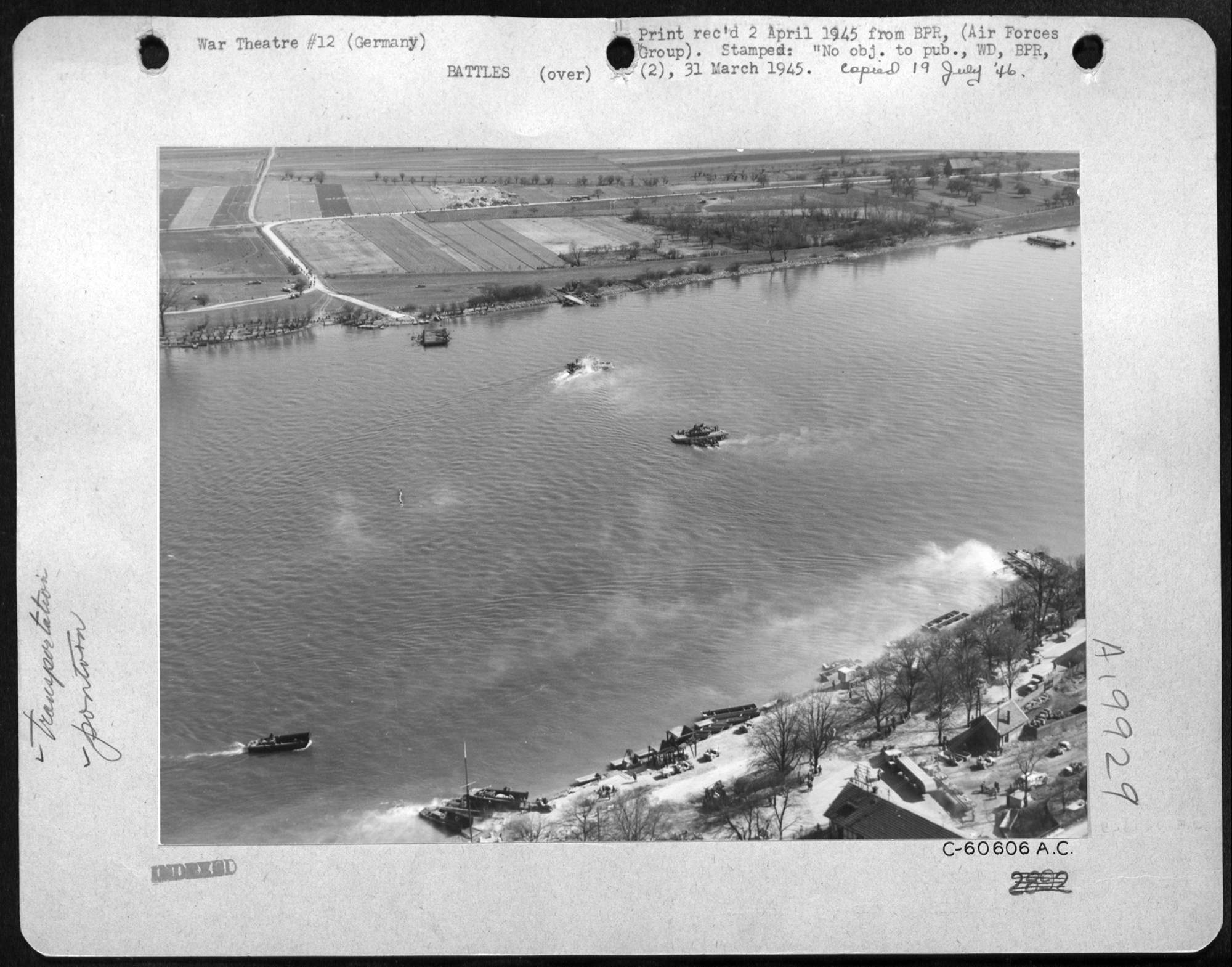
IMAGE 1 — Third Army Advances into Germany, March 1945
C-60606 A.C. | NAID 204900509
Two U.S. Third Army tanks are ferried across the Rhine River as infantry deploy along the roadway in Germany, March 1945. When this photograph was taken, German forces still held territory visible in the distance. Scenes like this marked the final phase of the Third Army’s drive into the heart of Germany.
U.S. Army Air Forces / National Archives
IMAGE 2 — Urban Combat in Cologne
56710 A.C. | NAID 204899579
Tanks of the U.S. Third Armored Division move through the shattered streets of Cologne, Germany. The twin spires of Cologne Cathedral rise in the background, one of the few major structures left standing amid widespread destruction during the Allied advance.
U.S. Army Air Forces / National Archives
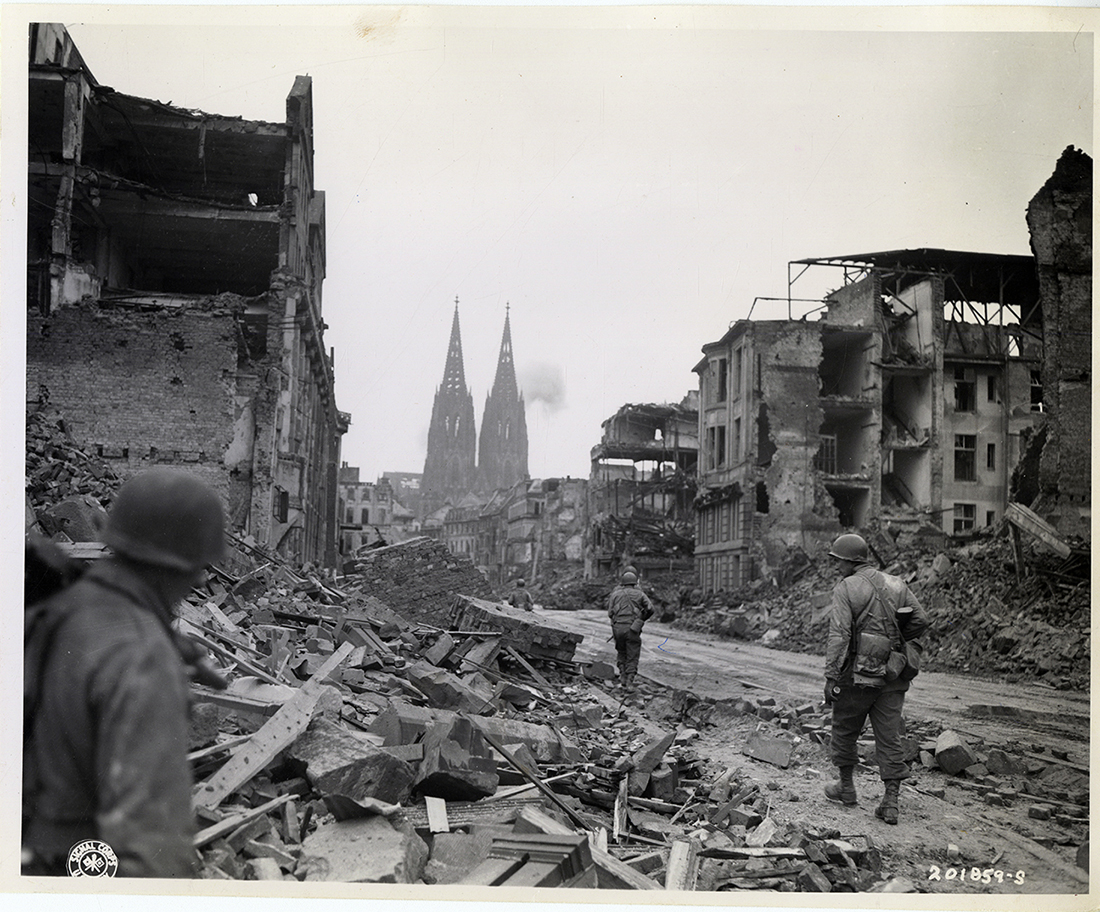
IMAGE 3 — Infantry Advance Through the Ruins of Cologne
201859-S | NAID 271813577
Troops of the 3rd Armored Division advance through the rubble-strewn streets of Cologne on March 8, 1945. Though the cathedral stands intact just blocks away, the surrounding city bears the full weight of prolonged urban combat.
U.S. Army Signal Corps / National Archives
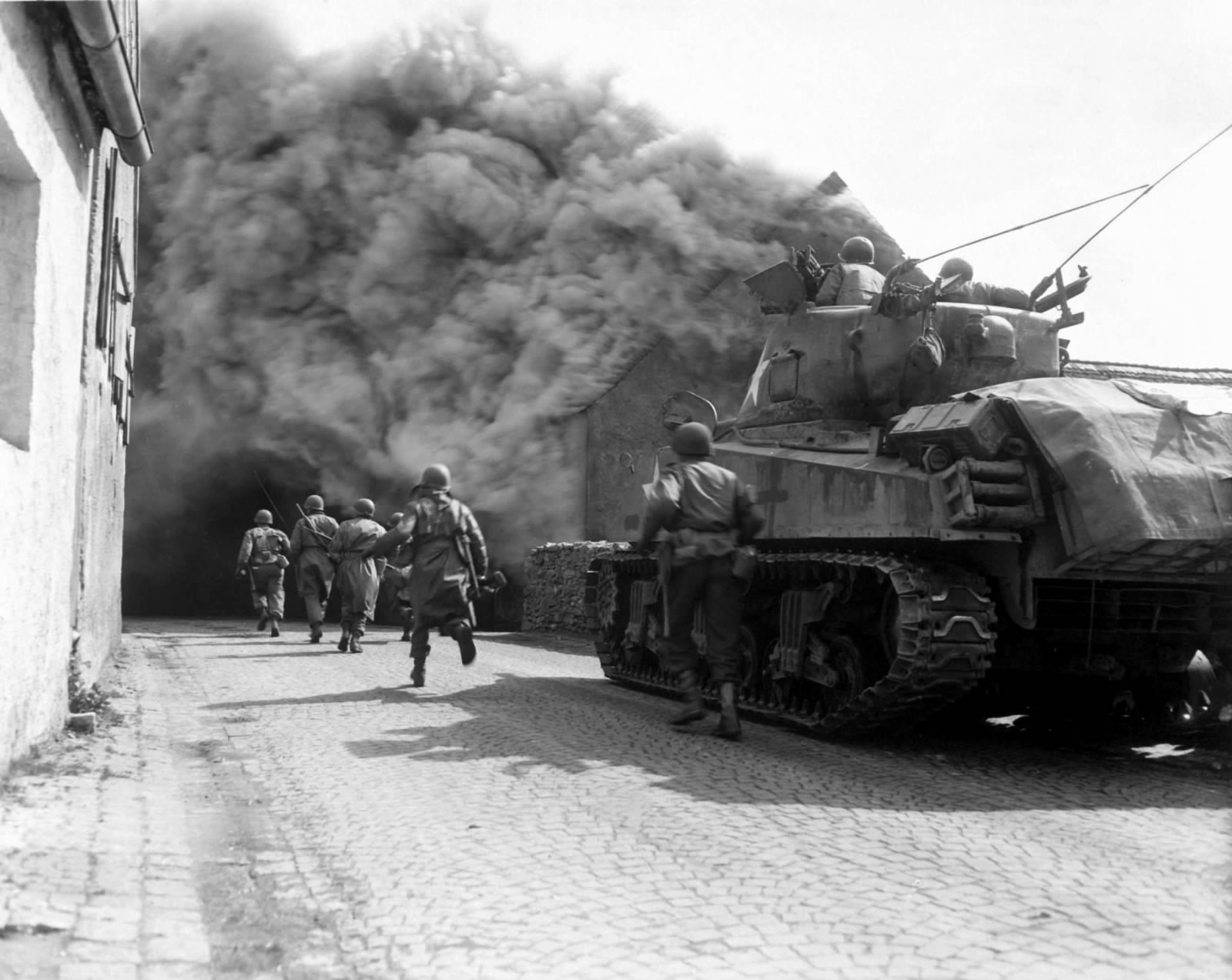
IMAGE 4 — Armored Warfare on the Western Front
111-SCA-6402 | NAID 271813577
A U.S. armored vehicle of the 3rd Armored Division fires during combat operations in Western Europe. Armored divisions like these formed the backbone of General Patton’s fast-moving Third Army, pushing relentlessly through France and Germany in late 1944 and early 1945.
U.S. Army Signal Corps / National Archives
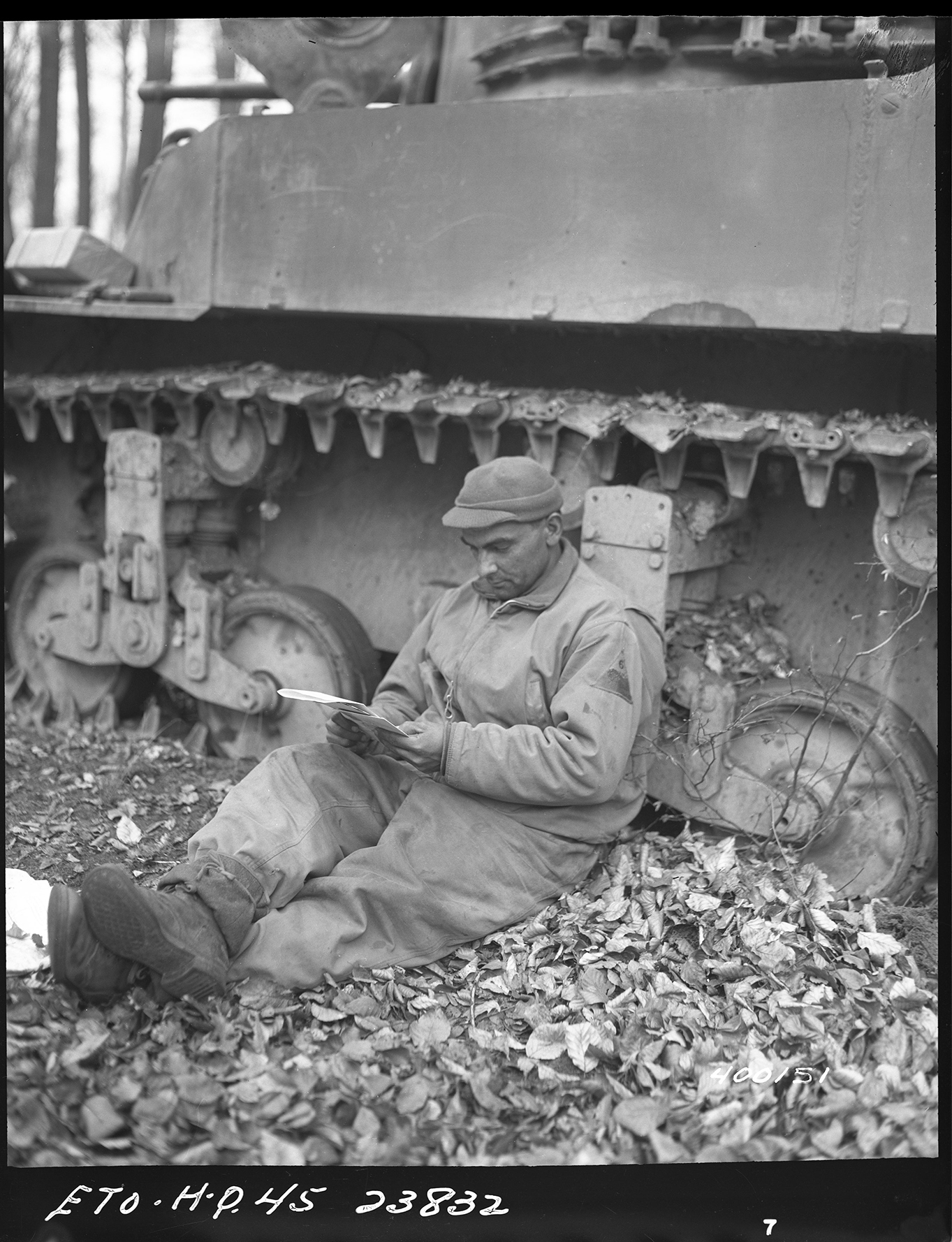
IMAGE 5 — A Letter from Home
111-SC-400151 | NAID 276537369
Private First Class Andrew E. Meyers of York, Pennsylvania, reads a letter from home while resting beside a 6th Armored Division tank in Germany, March 27, 1945. Moments like this—brief, quiet, and deeply personal—punctuated the daily strain of combat for American soldiers.
U.S. Army Signal Corps / National Archives
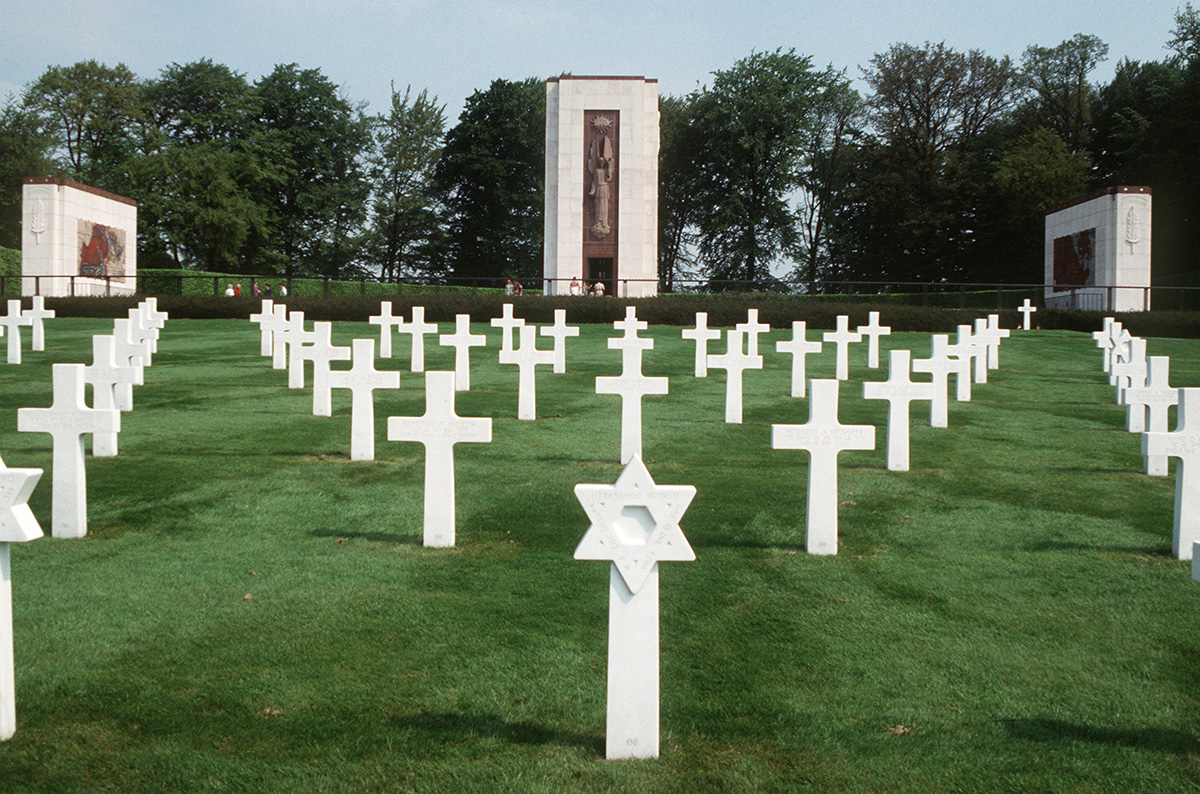
IMAGE 6 — Hamm, Luxembourg American Military Cemetery
DF-ST-97-01011 | NAID 6400046
The Hamm, Luxembourg American Military Cemetery, where Technician Fifth Grade Genaro A. Caruso was permanently laid to rest following an administrative decision by the U.S. Army in January 1949, in the absence of a directive by his next of kin. His grave remains here among thousands of other American servicemen who died in the war in Europe.
Department of Defense / National Archives
IMAGE 7 — Administrative Decision Sheet (IDPF)
IDPF, Genaro A. Caruso | 1947–1949
An excerpt from the Individual Deceased Personnel File (IDPF) of TEC5 Genaro A. Caruso documenting the Army’s administrative decision to permanently inter his remains at the U.S. Military Cemetery in Hamm, Luxembourg after repeated attempts to obtain burial instructions from his next of kin were unsuccessful.
National Archives
Stories of the Men of the 4th Armored Division
- The 4th Armored Division: The Spearhead of Patton’s Third Army
- PFC Oscar B. Oakman – 94th Armored Field Artillery Battalion
- Private Nicasio C. Sifuentes – 10th Armored Infantry Battalion
- TEC5 Genaro A. Caruso – 25th Cavalry Reconnaissance Squadron
- Technical Sergeant Samuel K. English – Platoon Sergeant (coming soon)
Each story reflects a single life within a division that helped change the course of the war—and the long shadow that service cast afterward.
Five From the 464th Bomb Group
The 15th Army Air Force, based in...Wee Willie and the photo that started it all
Above is B-17 “Wee Willie”...From Panatella to Ploesti
The 15th Army Air Force, based in...Six B-24s From Baker Box Downed
The men – the boys, really...Debut for Debach
It was the very first combat mission...The World War II Dead of University of California at Los Angeles (UCLA)
More than 260 UCLA students, faculty ...


SSGT Morris Meyers: The Man My Dad Never Stopped Waiting For
SSGT Morris Meyers | The Man My Dad...TEC5 Genaro A. Caruso — What the Records Don’t Tell Us
(Troop C, 25th Cavalry Reconnaissance...Nicasio C. Sifuentes: One Week at the Front
(Company A, 10th Armored Infantry...PFC Oscar B. Oakman: The Last Man to Die in the 94th Armored Field Artillery Battalion
(PFC Oscar B. Oakman, 4th Armored...The 4th Armored Division: The Spearhead of Patton’s Third Army
Activated in April 1941 at Pine Camp,...Talk Radio One’s Steven Spierer Interviews WW2 Researcher Bill Beigel
Steven Spierer Talk Radio One Interview...


LOST B-25 “El Aguila” (“The Eagle”) With Crew and Passengers
Hi Georgia: So sorry for this slow response. I'd love to connect with you some time. I suspect that there is information on your great-uncle that is unknown to you. Rather than write up a lengthy e-mail, I suggest that we get on the phone for a brief discussion of our research options. Please use this link: https://calendly.com/ww2research/30min to my calendar to schedule a phone meeting. There is no cost for this research consultation with me; I look forward to talking with you. Best regards, BillSix B-24s From Baker Box Downed
Hello April: Sorry for this slow response. I'd be happy to trade some history with you. You can reach me at bill.beigel@ww2research.com. I might even be able to locate some information that is new to you. Best, BillFive From the 464th Bomb Group
Hi Janice: I apologize for my late replay to your note! We can certainly re-create your father's service with the 454th Bomb Group. Rather than write up a lengthy e-mail, I suggest that we get on the phone for a brief discussion of our research options. Please use this link: https://calendly.com/ww2research/30min to my calendar to schedule a phone meeting. There is no cost for this research consultation with me; I look forward to talking with you. Best regards, BillThe Murder of WAC Private Byrl Babcock
I agree with Vanessa. This is such a compelling story and so well written. It really packed a punch to read that she didn’t return to her base after her leave ended… there was no answer at the hotel room… she and her husband both died of gunshot wounds…Lt. Ecke personally accompanied Byrl’s casket on the journey to CA, stood as honor guard during the funeral, and presented the flag to Byrl’s mother. I loved learning that her headstone did NOT have the last name of her abusive husband who murdered her! I am very curious now to look at WW2 memorials to see if I can find any women’s names listed. It never occurred to me to look before.SSGT Morris Meyers: The Man My Dad Never Stopped Waiting For
So you know how I feel about my cousin, 2Lt A.D. (Alvis Deryl) Noble, I know that he was born on my grandfather's farm in Hopkins Co. Texas, where my father and his and 5 other brothers and 4 sisters were born, then the next information I have is the casualty report after his death as his records were lost in the St. Louis fire. I was born in 1956, 12 years after his death. But I want to thank you once again for your help with what I do know about 2Lt Noble. Sincerely A .D. ( Alan Dale ) NobleSSGT Morris Meyers: The Man My Dad Never Stopped Waiting For
WOW. Great job Something like that for the crew of the B2 nine Salvo Sally that bombed Masaki yes Japan on April 28, 1945. The flight engineer Fred MacDonald was my first cousin husband. The plane went in the ocean. Most likely the gunners are got out and got in parachutes, but only one survived and I found him in St. Louis Missouri Japan held a huge memorial for the crew on April 28, 2018. The survivor was Jack B Cannon. He died. I think he was 94.
Bill’s WWII Almanac









Ask Bill or comment on this story