
The Murder of WAC Private Byrl Babcock
Before she was Private Byrl Babcock, she was Byrl Mitchell, part-owner of a jewelry store in Oroville, California. She worked as a buyer for a stationery shop. She ran a beauty parlor out of the Gridley Hotel. Before any of that, she’d put herself through secretarial school and graduated at twenty-nine — not because she was slow, but because she was paying her own way.
She’d also been married multiple times. None of them lasted.
If there’s a pattern in Byrl’s life, it’s this: She never stayed anywhere she didn’t want to be. She tried things. When they didn’t work, she moved on and tried something else. She wasn’t reckless — she was decisive. And in the small towns of California’s Sacramento Valley in the 1920s and ’30s, that kind of woman stood out.
Born in 1900, the younger of two daughters of Frank and Ida Mitchell, Byrl grew up in Biggs — a farm town north of Sacramento where everybody knew everybody. She graduated from high school, left to get her secretarial training, then came back and started building. The jewelry store. The stationery job. The beauty shop. One thing after another, sometimes multiple careers at once. Remarkable at a time when most women didn’t have careers at all.
Then, in her early forties, she met Roy Babcock.
Roy was working as a gardener at her parents’ home. He was fifty-one. What drew Byrl to him — a man with no settled profession and no apparent ambition — is one of those questions the records can’t answer. In March of 1942, they drove to Yuma, Arizona, and got married. She was forty-two.
It didn’t take long to see what Roy was made of. He drifted from job to job — gardener, then door-to-door hosiery salesman. Records show he had Byrl going door to door with him, presumably because a woman’s presence made it easier to sell women’s products on people’s doorsteps. On January 1, 1944, he started a new job at a mercantile in Hamilton City, outside Sacramento.
Thirteen days later, Byrl left him.
She moved back in with her mother in Biggs. On February 16, 1944 — her forty-fourth birthday — she filed for divorce, citing cruelty. In the papers, she stated that Roy had “constantly quarreled with her and abused her.”
A woman with Byrl’s history might have done any number of things next. Found another job. Opened another shop. Started over in another town, the way she always had.
Instead, she joined the United States Army.
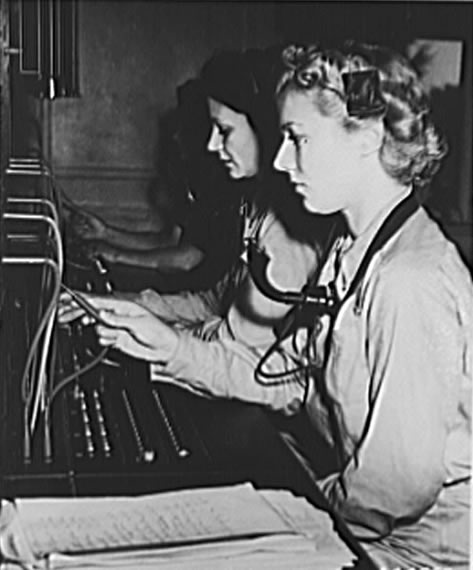
She reported to the First Women’s Army Corps (WAC) Training Center at Fort Des Moines, Iowa, in late February 1944. At 44, she was just one year shy of the maximum age limit. She was assigned to the 19th Company, 3rd Regiment, and likely headed to switchboard training, where some of the sharpest WACs were sent.
Basic training was five weeks, and she took to it like she took to everything she tried. Her commanding officer, Lieutenant Katherine Ecke, would later describe her as “an unusually high type person.” It was the highest compliment Ecke could have paid her.
Byrl was set to graduate on April 12, 1944.
Meanwhile, back in California, Roy wasn’t finished.
On March 31, an attorney he’d hired filed paperwork to get Byrl’s divorce suit dismissed — insufficient proof of abuse, the filing claimed. The next day, Roy abandoned his job at the mercantile without a word and headed for Des Moines.
He arrived and asked Byrl to get a weekend pass so they could spend time together. He told her he was going “out of the country” for several years, and that there were legal matters that couldn’t wait. Byrl asked Lieutenant Ecke, who granted the pass — something rarely done during basic training. Ecke felt Byrl had earned it.
Byrl was due back on Monday, April 10th. That morning, she phoned Lieutenant Ecke at six a.m. Her husband was catching the 10:30 train, she said. Could she stay in town just a few more hours to settle some legal matters? She’d be back by noon.
She wasn’t.
When Byrl didn’t appear at noon mess, Lieutenant Ecke called the Hotel Kirkwood in Des Moines, where Byrl and Roy had been staying. No answer. The hotel sent someone to the room. No one came to the door.
Inside, a bellman found them both dead on the floor. Gunshot wounds. The room was scattered with empty coke and whiskey bottles. According to coroner A.E. Shaw, Roy had shot Byrl, and then himself.
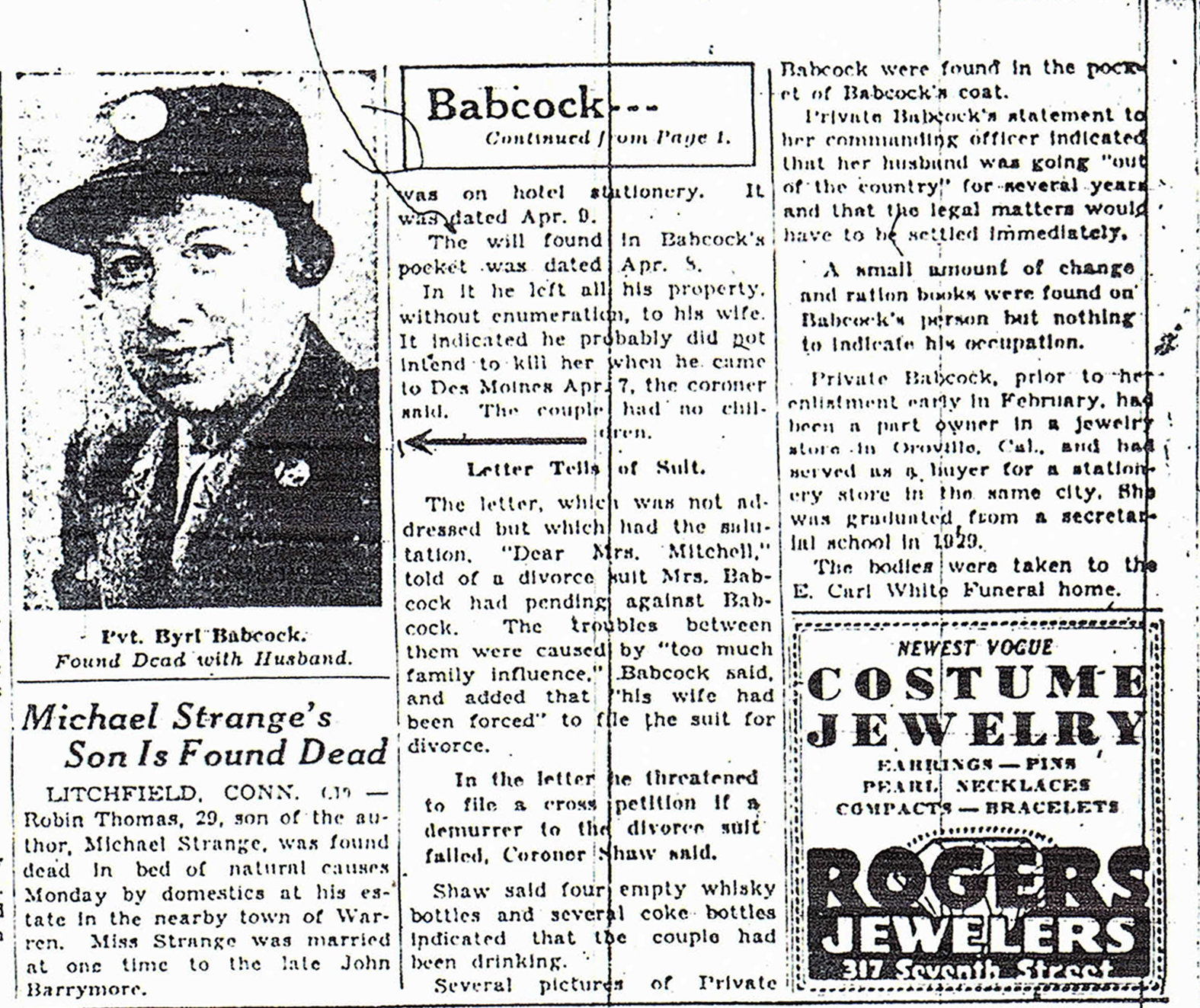
In Roy’s pockets they found a few photos of Byrl, some loose change, and three handwritten documents. A will, on hotel stationery, dated April 8th, leaving everything to his wife. A letter dated April 9th, addressed to “Dear Mrs. Mitchell” — Byrl’s mother — blaming the divorce on “too much family influence” and threatening a legal challenge. And a short note, apparently written after Byrl was dead: “This is the way we wanted it to be. Please bury us together.”
The Army denied that request.
Lieutenant Ecke took it upon herself to bring Byrl home. She personally guarded the casket on the journey to California, stood as honor guard throughout the funeral, and presented the flag to Byrl’s mother, Ida Jane Mitchell. The Des Moines Register, in its front-page account of the murder on April 11th, quoted Ecke describing Byrl as “one of the finest women in the company.”
Byrl Babcock was one day short of completing her basic training. The Army gave her the rank of Private and buried her with full military honors. Her funeral at the Gridley-Biggs Cemetery was largely attended, the funeral home filled with flowers. WWI veterans and members of the state guard served as color bearers. The local American Legion post directed the military honors.
Byrl Lillian Babcock was buried at the Gridley-Biggs Cemetery in Gridley, California. Her mother, who died on January 2, 1952, is buried beside her.
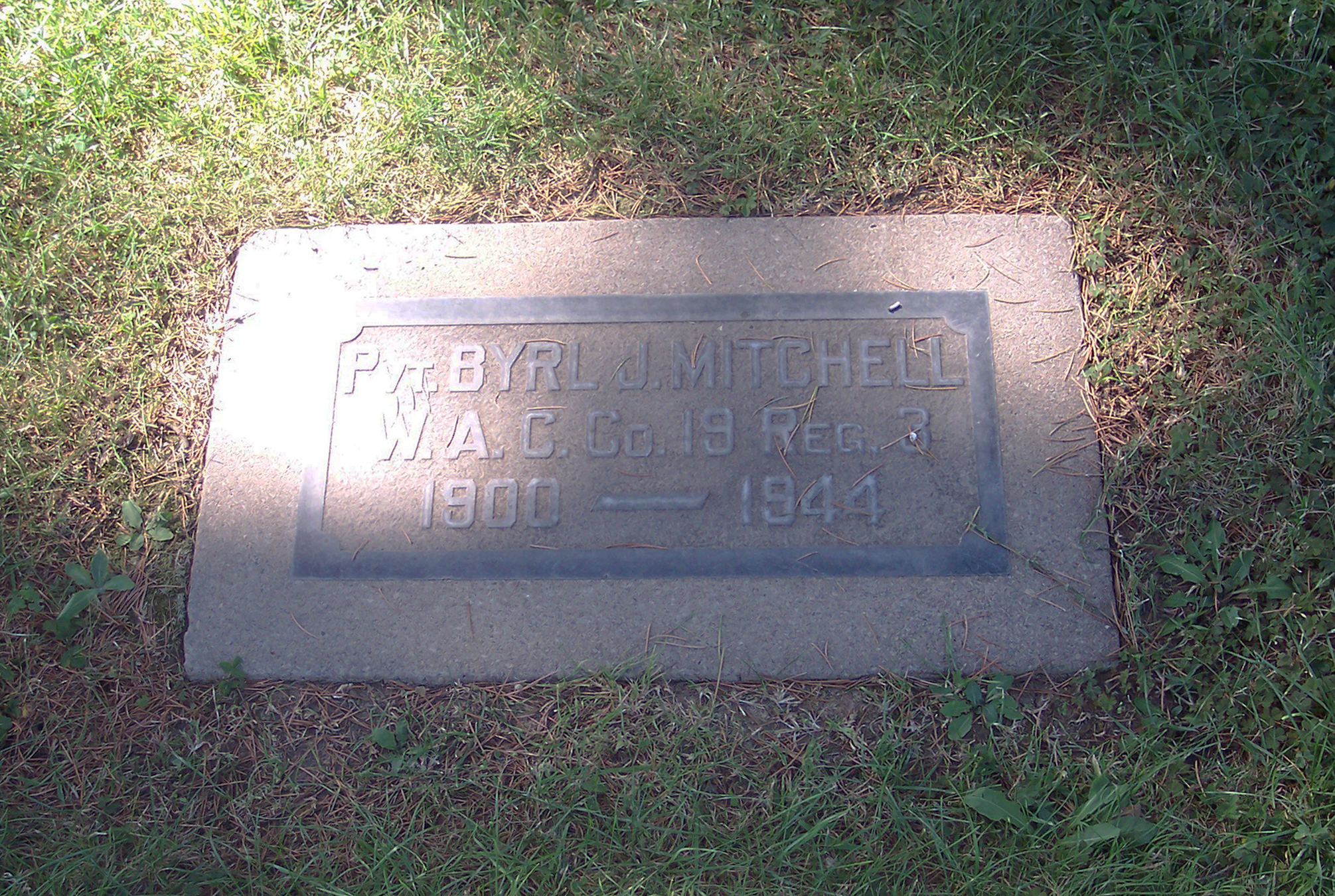
Ida Mitchell had requested that the Army inscribe Byrl’s headstone with her maiden name — Byrl Mitchell — leaving off the name of the husband who murdered her. The Army declined. Regulations required the name under which the veteran had enlisted: Babcock.
I visited the Gridley-Biggs Cemetery and searched for Byrl’s grave. I was unable to find it, but contacted the caretaker, Pat Teague, following my visit. Mr. Teague sent me a photo of Byrl’s headstone, with the inscription:
Pvt. BYRL J. MITCHELL
W.A.C. Co. 19 Reg. 3
1900 – 1944
Somehow, Byrl’s mother got her wish.
As for Roy — his burial place is unknown.
More than 150,000 women served in the Women’s Army Corps during World War II. Most of their names don’t appear on our war memorials. Communities should be given the chance to know the names and stories of the women from among them who stepped up to help win the war.
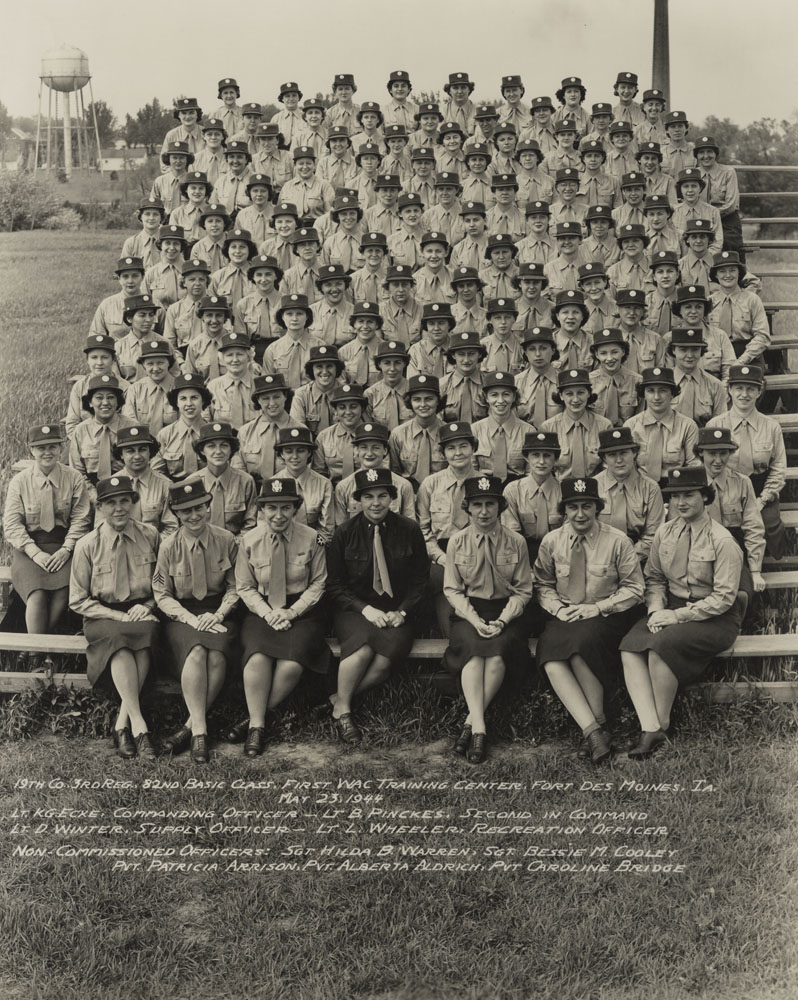
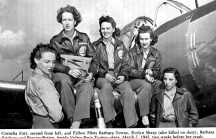
Pictured above in the class picture, seated front row, center, is Lt. Katherine G. Ecke, with the graduating class of May 23, 1944.
Also pictured:
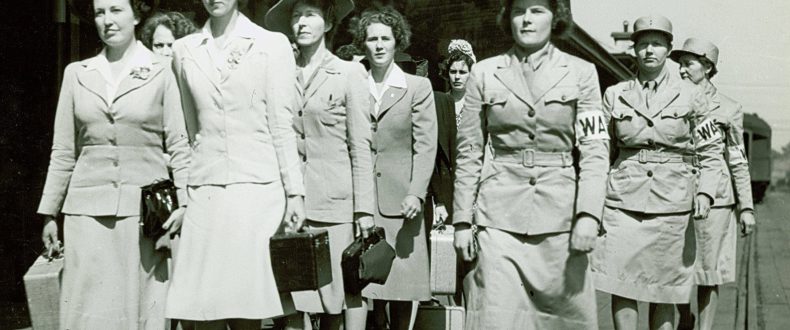
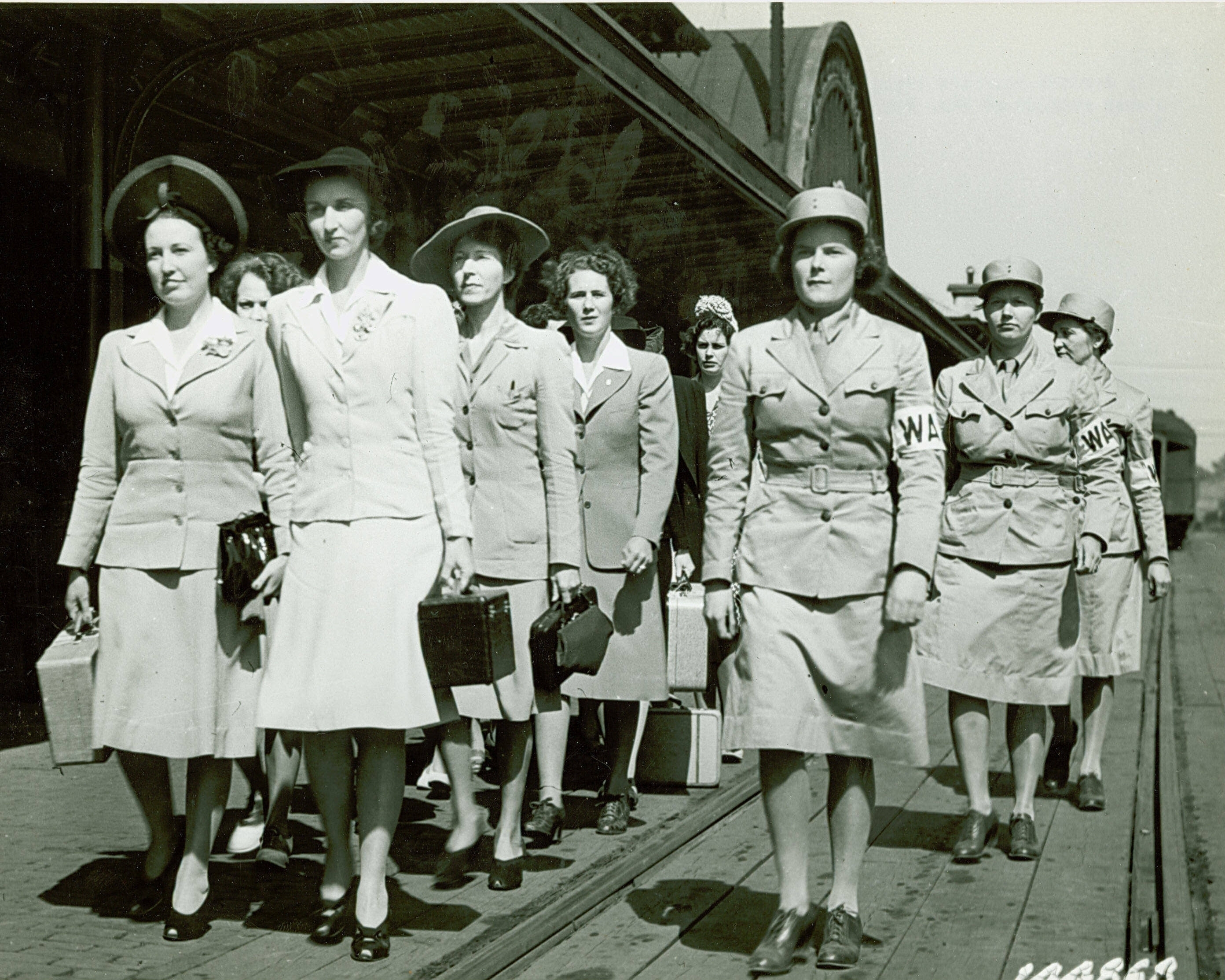
Women’s Army Auxiliary Corps recruits at Fort Des Moines, 1942
WACS in switchboard training, Des Moines, Iowa, 1942
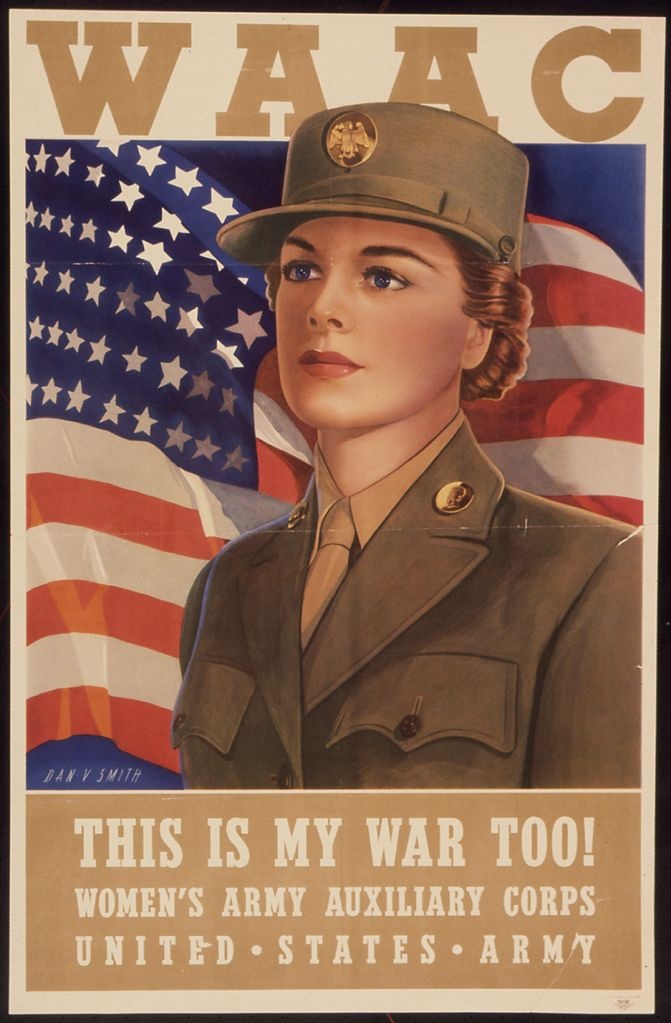
WAC recruiting posters
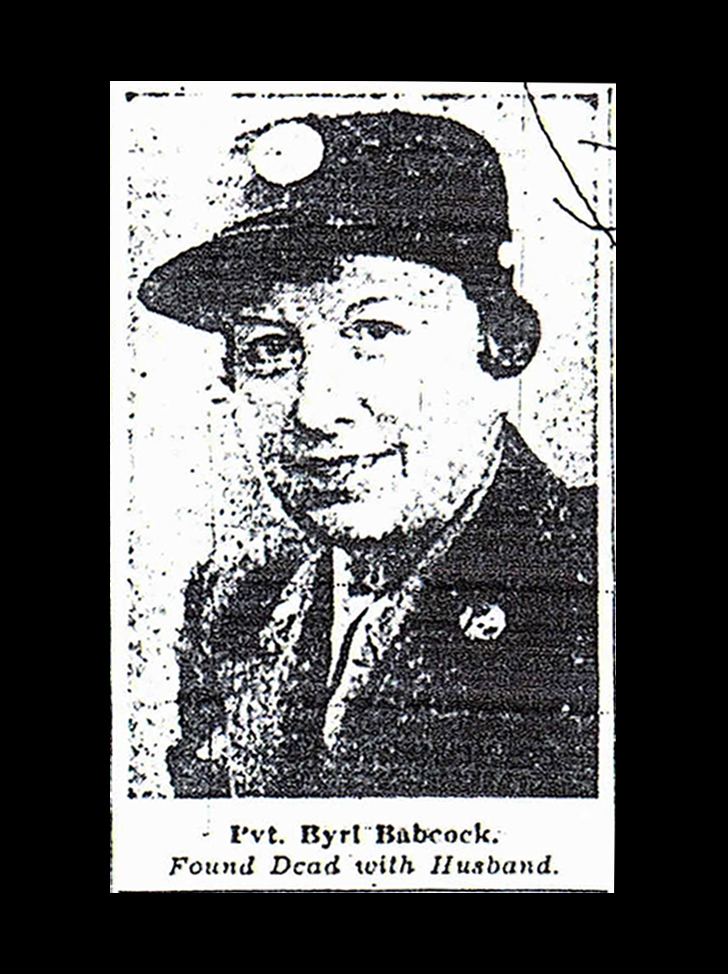
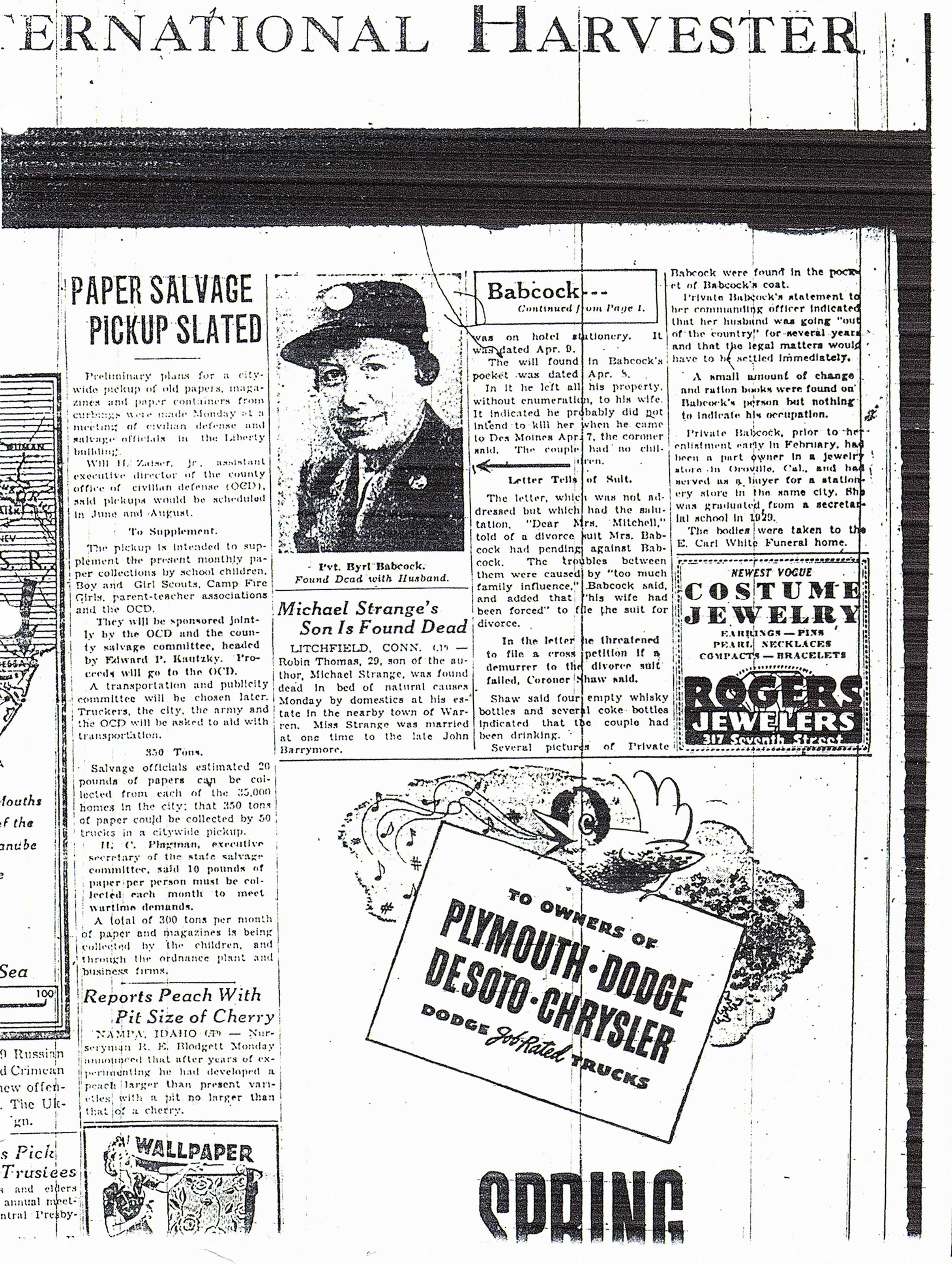
Newspaper clippings about the murder from the Des Moines Register, April 1944
This story is dedicated to “Private Byrl Mitchell,” as she is named on her grave marker, to Lieutenant Katherine G. Ecke, and to the sisterhood of the Women’s Army Corps, with thanks and admiration.
You can read my newsletter about Private Byrl Babcock here.
Leave a Reply to Vanessa Poster Click here to cancel reply.
Five From the 464th Bomb Group
The 15th Army Air Force, based in...Wee Willie and the photo that started it all
Above is B-17 “Wee Willie”...From Panatella to Ploesti
The 15th Army Air Force, based in...Debut for Debach
It was the very first combat mission...Six B-24s From Baker Box Downed
The men – the boys, really...The World War II Dead of University of California at Los Angeles (UCLA)
More than 260 UCLA students, faculty ...


SSGT Morris Meyers: The Man My Dad Never Stopped Waiting For
SSGT Morris Meyers | The Man My Dad...TEC5 Genaro A. Caruso — What the Records Don’t Tell Us
(Troop C, 25th Cavalry Reconnaissance...Nicasio C. Sifuentes: One Week at the Front
(Company A, 10th Armored Infantry...PFC Oscar B. Oakman: The Last Man to Die in the 94th Armored Field Artillery Battalion
(PFC Oscar B. Oakman, 4th Armored...The 4th Armored Division: The Spearhead of Patton’s Third Army
Activated in April 1941 at Pine Camp,...Talk Radio One’s Steven Spierer Interviews WW2 Researcher Bill Beigel
Steven Spierer Talk Radio One Interview...


Five From the 464th Bomb Group
Hi Janice: I apologize for my late replay to your note! We can certainly re-create your father's service with the 454th Bomb Group. Rather than write up a lengthy e-mail, I suggest that we get on the phone for a brief discussion of our research options. Please use this link: https://calendly.com/ww2research/30min to my calendar to schedule a phone meeting. There is no cost for this research consultation with me; I look forward to talking with you. Best regards, BillThe Murder of WAC Private Byrl Babcock
I agree with Vanessa. This is such a compelling story and so well written. It really packed a punch to read that she didn’t return to her base after her leave ended… there was no answer at the hotel room… she and her husband both died of gunshot wounds…Lt. Ecke personally accompanied Byrl’s casket on the journey to CA, stood as honor guard during the funeral, and presented the flag to Byrl’s mother. I loved learning that her headstone did NOT have the last name of her abusive husband who murdered her! I am very curious now to look at WW2 memorials to see if I can find any women’s names listed. It never occurred to me to look before.SSGT Morris Meyers: The Man My Dad Never Stopped Waiting For
So you know how I feel about my cousin, 2Lt A.D. (Alvis Deryl) Noble, I know that he was born on my grandfather's farm in Hopkins Co. Texas, where my father and his and 5 other brothers and 4 sisters were born, then the next information I have is the casualty report after his death as his records were lost in the St. Louis fire. I was born in 1956, 12 years after his death. But I want to thank you once again for your help with what I do know about 2Lt Noble. Sincerely A .D. ( Alan Dale ) NobleSSGT Morris Meyers: The Man My Dad Never Stopped Waiting For
WOW. Great job Something like that for the crew of the B2 nine Salvo Sally that bombed Masaki yes Japan on April 28, 1945. The flight engineer Fred MacDonald was my first cousin husband. The plane went in the ocean. Most likely the gunners are got out and got in parachutes, but only one survived and I found him in St. Louis Missouri Japan held a huge memorial for the crew on April 28, 2018. The survivor was Jack B Cannon. He died. I think he was 94.SSGT Morris Meyers: The Man My Dad Never Stopped Waiting For
Bill found the USMC records of my uncle who served as in the Pacific from 1942 through to the end of the war. Due to Covid it took some time as NARA was closed but Bill found the records and sent them along with a note. What he does is exemplary and his dedication is laudable. If you are in search of family military history I highly recommend Bill’s skills.Five From the 464th Bomb Group
Hi Bill, I am trying to locate information about my father who served in the Army Air Corps, 15 AF, 454th Bombardment Group, 736 Bomb Squadron. His ID # is 12147579. I would like to know his rank and where he served. I am trying to make a paver to honor him at the WWII museum. I would really appreciate any help you could give me. Thank you. Janice Maher (Al Maher’s daughter)
Bill’s WWII Almanac









Bill, this is such a meaningful and lovely story and extremely well written. Thank you for caring and for honoring the memory of these brave women.
I agree with Vanessa. This is such a compelling story and so well written. It really packed a punch to read that she didn’t return to her base after her leave ended… there was no answer at the hotel room… she and her husband both died of gunshot wounds…Lt. Ecke personally accompanied Byrl’s casket on the journey to CA, stood as honor guard during the funeral, and presented the flag to Byrl’s mother. I loved learning that her headstone did NOT have the last name of her abusive husband who murdered her! I am very curious now to look at WW2 memorials to see if I can find any women’s names listed. It never occurred to me to look before.